Introduction to Smart Plugs for Lamps
Smart plugs have become an essential component in the modern smart home, particularly for users seeking convenient solutions for managing their lamps. These innovative devices allow users to transform regular lamps into intelligent lighting systems without the need for a specialized hub, making them more accessible for the average consumer. As technology continues to advance, the market offers various smart plug products designed specifically for lamps, catering to different preferences and requirements.
One of the most appealing features of smart plugs for lamps is their simple installation and functionality. These devices connect directly to a standard electrical outlet and are easily controlled via smartphone apps, contributing to their popularity among users looking to upgrade their home setups effortlessly. Furthermore, many smart plugs are compatible with popular voice assistants such as Alexa and Google Assistant, allowing for voice control and enhancing the user experience.
In addition to convenience, users can benefit from smart plug energy monitoring capabilities, which provide insights into energy consumption. This feature is particularly valuable as it helps users identify energy usage patterns and promotes more efficient energy consumption. Scheduling features also allow users to set specific times for their lamps to turn on and off, thereby increasing convenience and energy savings.
While choosing the best smart plug for lamps, it is essential to consider various factors including whether the product is designed for outdoor or indoor use, as well as its compatibility with different home automation systems. As the demand for smart home devices continues to grow, smart plugs remain a reliable choice for those looking to enhance their home lighting experience without the complexity of a hub system.
Top Features to Look for in Smart Plugs
When choosing the best smart plug for lamps, several features significantly enhance the user experience and functionality of smart devices. One of the primary considerations is compatibility with voice assistants such as Alexa and Google Assistant. This integration allows users to control their lamps effortlessly through voice commands, offering a more convenient and hands-free operation.
Another essential aspect is the availability of user-friendly applications that facilitate easy setup and daily management of smart plugs. A well-designed app can simplify tasks like linking multiple plugs, creating schedules, and managing energy usage with just a few taps. Look for options that offer intuitive interfaces, enabling seamless interaction without technical complications.
Reliability is also paramount in selecting a smart plug, particularly for lamps utilized frequently. A plug should maintain consistent performance, avoiding connectivity issues that can disrupt scheduling or operation. Reading consumer reviews and checking product reliability ratings can provide insights into this crucial feature.
Energy monitoring capabilities have gained importance among users aiming to manage their electricity usage effectively. Smart plugs that offer this feature allow individuals to track the energy consumption of connected devices, helping them make informed decisions to save on utility bills. Additionally, many smart plugs provide scheduling features, which enable users to automate when their lamps turn on or off. This can significantly enhance convenience and help create effective lighting environments tailored to individual needs.
Additionally, when considering whether to choose smart plug outdoor vs indoor options, it is essential to review the durability and safety features of outdoor models, ensuring they can withstand various weather conditions. Overall, evaluating these key features will guide users toward the best smart plug for lamps that suit their needs effectively.
Best Smart Plugs for Lamps on Amazon
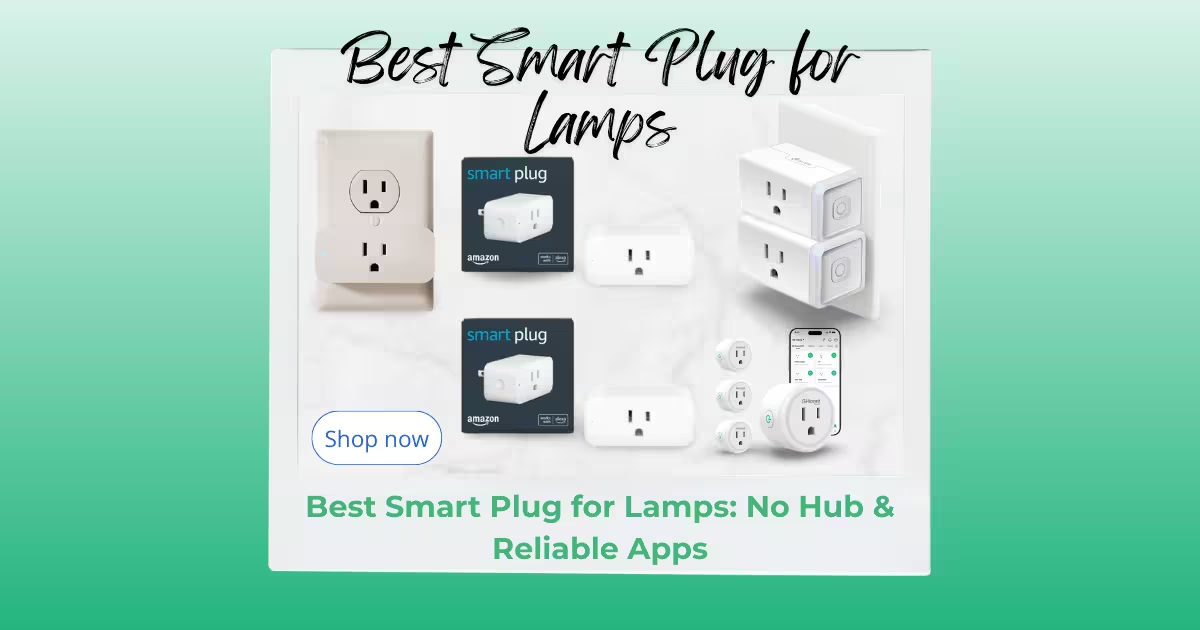
When searching for the best smart plug for lamps, it is essential to consider options that are easy to use and offer flexibility. Below is a curated list of the top-rated smart plugs available on Amazon, all of which require no hub and come with reliable apps, ensuring a seamless experience.

Buy it now from Amazon: https://amzn.to/4serQcd
The TP-Link Kasa Smart Plug is a highly-rated option that provides smart control over your lamps. It works with both Amazon Alexa and Google Assistant, allowing voice commands for convenience. The Kasa app enables remote scheduling and energy monitoring, making it easy to track usage. Customers have given it an average rating of 4.7 out of 5 stars.

Buy it now from Amazon: https://amzn.to/4aIS7K2
The Amazon Smart Plug is designed for ease of use with Alexa integration. This smart plug no hub solution allows you to control lights and devices from anywhere using the Alexa app. Its straightforward setup and intuitive scheduling features have earned it a solid customer rating of 4.6 out of 5 stars. Shopping directly through Amazon guarantees a reliable purchase experience.
Buy it now from Amazon: https://amzn.to/4aLACZD
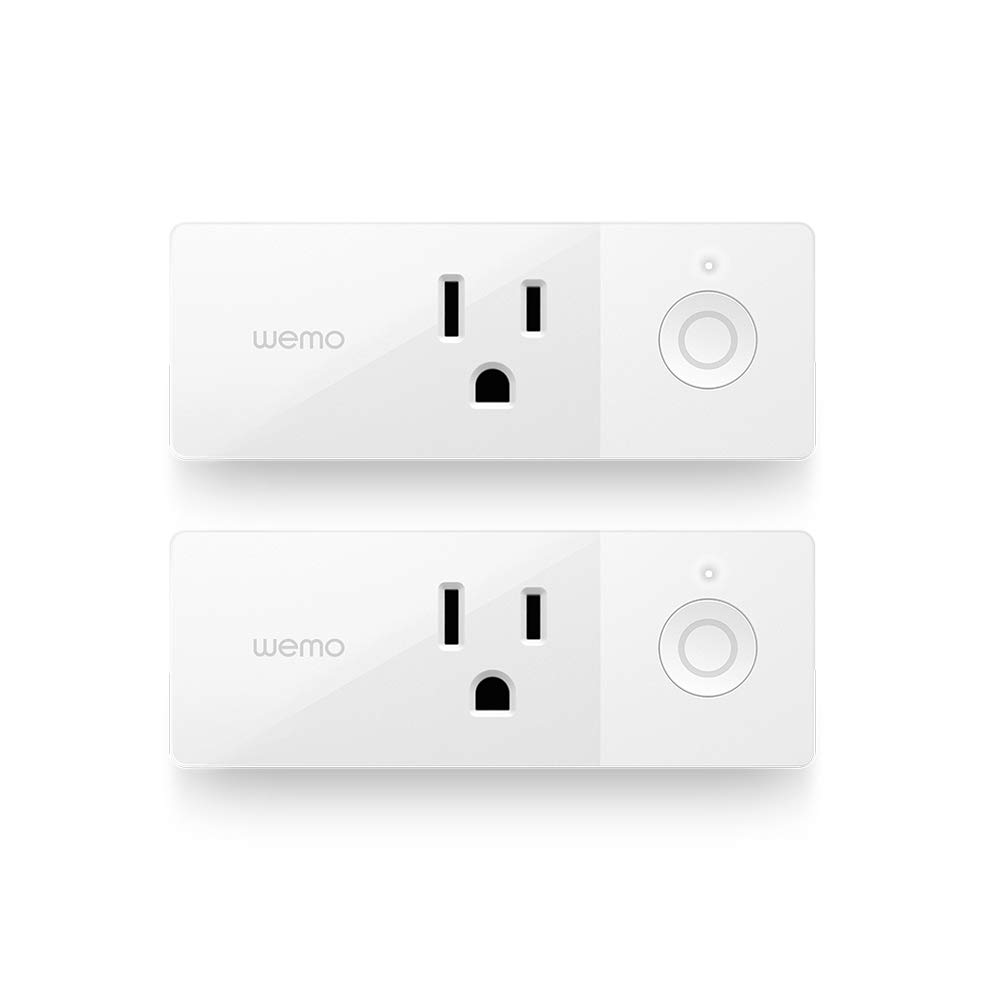
Wemo Mini Smart Plug offers a compact design, allowing it to fit in tight spaces. This smart plug supports Google Assistant and Alexa voice commands. Its app facilitates easy management of your lamp’s schedules and energy usage monitoring. With a customer rating of 4.5 stars, it stands as one of the top choices for an outdoor vs indoor smart plug.

Buy it now from Amazon: https://amzn.to/4aLATM9
The Gosund Smart Plug presents a cost-effective solution without compromising on quality. It works with both Alexa and Google Assistant for voice control. This plug features an energy monitor, allowing users to track real-time power consumption. It’s rated 4.4 out of 5 stars by customers, making it a popular pick for those seeking reliability.
These smart plugs are highly rated on Amazon, combining convenience with energy-saving features, ensuring they can enhance your home automation experience.
Smart Plugs vs. Smart Hubs: Which is Better?
When exploring the landscape of smart home technology, users often find themselves torn between standalone smart plugs and systems that require a central hub. Understanding the differences between these two options is essential to making an informed decision that suits individual needs and preferences.
Smart plugs, such as the best smart plug for lamps, are devices that allow users to control their lights and appliances remotely via their smartphones or voice assistants like Alexa or Google Assistant. These devices typically operate without the necessity of a hub, meaning setup is straightforward and can be done in minutes. Users can plug them into a standard outlet, connect them to Wi-Fi, and start controlling their devices instantly. This simplicity is often a deciding factor for those looking for an accessible solution to home automation.
On the other hand, smart hubs, which function as the brain of connected devices, can manage multiple smart home gadgets and centralize their control. While hubs can facilitate complex interactions among various devices, they also come with a more intricate setup process. Users may need to consider compatibility among different devices and possibly deal with software updates and maintenance. Though hubs can offer robust scenarios for automation, many users prefer the efficiency of smart plugs without the additional complexity.
A significant advantage of smart plugs is the capability of energy monitoring; users can track their electricity consumption and make informed decisions about their energy usage. For those who want to integrate smart technology selectively, choosing smart plugs—especially the smart plug no hub type—can provide a gratifying blend of convenience, cost-effectiveness, and energy management without the fuss of a hub dependency. In this regard, when weighing smart plug outdoor vs indoor options, users can select devices based on their specific needs while retaining that simplicity.
Energy Monitoring and Its Importance
Energy monitoring is a significant feature found in select smart plugs, particularly the best smart plug for lamps, that allows consumers to track and manage their energy consumption effectively. This feature not only reflects real-time usage but also provides insights into historical data, enabling users to identify patterns and areas for improvement. A smart plug with energy monitoring capabilities can be an invaluable tool for enhancing energy efficiency, particularly for households aiming to reduce their utility expenses.
One of the primary advantages of energy monitoring is the potential for cost savings. By having the ability to analyze energy consumption, homeowners can uncover which devices are energy hogs and take necessary actions such as altering usage habits, scheduling usage during off-peak hours, or even choosing to disconnect devices to save costs. In a landscape where energy prices are subject to fluctuation, an effective smart plug with energy monitoring capabilities becomes a strategic ally in optimizing electricity usage and minimizing expenses.
Sustainability is an equally important consideration. With growing concerns over climate change and environmental sustainability, utilizing technology that promotes energy conservation resonates with many consumers. By using a smart plug no hub that offers insights into energy consumption, users can make informed decisions not just for their wallets but also for the planet. For instance, turning off devices that contribute to high energy use when not in use reduces one’s carbon footprint, showcasing a form of responsible consumption.
Overall, integrating energy monitoring into the home not only contributes to effective cost management but also aligns with broader sustainability goals, making it a critical feature in the best smart plug for lamps or any smart home gadget. This functionality, therefore, enhances the overall efficiency and intelligence of a smart home, and blends seamlessly into the lifestyle of the modern consumer.
Setting Up Smart Plugs: A Step-by-Step Guide
Setting up smart plugs for lamps is a straightforward process that enhances your home automation experience. To begin, ensure that you have your selected smart plug ready, ideally one that requires no hub for operation, to simplify installation. Here’s a step-by-step guide to get you started.
First, plug the smart device into the outlet you wish to use. Make sure the lamp you want to control is plugged into the smart plug. Next, download the manufacturer’s app on your smartphone or tablet, which is often compatible with both Alexa and Google Assistant.
After installation, create an account or log in if you already have one. Follow the app’s prompts to enable Bluetooth or Wi-Fi, depending on the smart plug’s requirements. This step usually involves connecting your device to the same Wi-Fi network that the smart plug will be using. Confirm that your smart plug is powered on and in pairing mode, as indicated by its LED light.
Once connected, you can name your smart plug in the app, which makes it easier to control later. For example, labeling your smart plug as ‘Living Room Lamp’ can enhance your experience, especially for voice commands through Alexa or Google Assistant.
Don’t forget to explore the app’s scheduling feature, which allows you to set times for the lamp to turn on or off automatically. Utilizing the smart plug’s energy monitoring capabilities may also help track the power consumption of your lamp, aiding in energy-saving efforts.
If you encounter issues during setup, ensure that your Wi-Fi signal is strong, and that your smart plug is within range. Additionally, confirm that you are using the correct app and follow the troubleshooting tips provided within it. By adhering to these guidelines, you can enjoy the convenience of smart plugs in your home.
Indoor vs. Outdoor Smart Plugs
Smart plugs have revolutionized the way we manage household and outdoor lighting, enabling seamless control through mobile applications without the need for a hub. However, it is essential to differentiate between indoor and outdoor smart plugs to optimize their use and functionality. The best smart plug for lamps is often an indoor model designed specifically for internal environments, while outdoor smart plugs withstand the elements.
Indoor smart plugs are generally designed to be used within the home. They are compact and often feature energy monitoring capabilities, which enable users to track energy consumption of their connected devices, such as lamps and electronics. These devices typically do not need extensive weatherproofing, which makes them lighter and more versatile for various indoor applications. Many brands offer the convenience of being compatible with voice assistants, making them ideal for users who prefer to control their devices through smart plug Alexa Google integrations.
In contrast, outdoor smart plugs are built to endure harsher conditions, such as rain, snow, and fluctuating temperatures. They possess a weather resistance rating, often indicated by an ingress protection (IP) code, which guarantees their durability and safety outdoors. This type of smart plug is ideal for controlling holiday lights, garden lamps, or outdoor appliances, ensuring they function throughout the year without fear of damage from the elements. Importantly, when seeking an outdoor smart plug, one must consider both safety and convenience; thus, ensuring it meets rigorous safety standards is crucial.
When deciding between indoor and outdoor smart plugs, assess the intended use and the environment in which the smart plug will operate. Both options present excellent benefits in enhancing convenience, control, and energy efficiency, but the right choice will depend on the specific application required—maintaining a safe and effective connection for your lamps and other devices.
User Experience: Real Reviews and Feedback
When evaluating the best smart plug for lamps, user feedback plays a vital role in understanding the product’s performance and reliability. Many users have turned to platforms like Amazon to share their experiences, providing potential buyers with valuable insights. A common sentiment revolves around the convenience offered by smart plugs with no hub required. Users appreciate being able to control their lamps easily via mobile apps or voice commands through Alexa or Google Assistant.
For instance, one user praised the ability to effortlessly schedule their lamps to turn on and off, enhancing home automation. They noted that this feature not only improved convenience but also helped in managing energy consumption. Several users expressed satisfaction with smart plug energy monitoring capabilities, as it enabled them to track their power usage effectively, potentially leading to reduced electricity bills.
However, as with any product, there are mixed reviews as well. Some users reported connectivity issues, particularly with smart plugs that attempt to use Wi-Fi for communication. Instances of devices becoming unresponsive or requiring frequent reboots were highlighted, indicating the importance of a robust network. Additionally, concerns regarding compatibility with certain lamps or older Wi-Fi systems surfaced, suggesting that users should verify specifications before making a purchase.
Furthermore, feedback on outdoor smart plugs compared to indoor models revealed preferences for certain features. Users appreciated the durability and weather resistance of outdoor plugs, noting their reliability in various conditions. There were also discussions about the limitations of smart plug outdoor versus indoor configurations, with many users emphasizing the need for flexibility depending on their specific needs.
In summary, while the overall sentiment towards the best smart plug for lamps is largely positive, it is essential for prospective buyers to consider both the accolades and drawbacks shared by current users. This balanced perspective can guide informed decisions, ensuring satisfaction with their purchase.
FAQs
When it comes to selecting the best smart plug for lamps, several common queries arise among consumers. One prevalent question is about compatibility. Most smart plugs are designed to work seamlessly with standard home electrical systems; however, it’s important to verify that your chosen device is compatible with your specific lamp model. Devices that require a smart plug typically include those that utilize standard electrical outlets.
Another frequent inquiry revolves around the practicality of smart plug no hub requirements. Numerous modern smart plugs come equipped with Wi-Fi connectivity, eliminating the necessity for additional hubs, and allowing for straightforward setup directly from your smartphone. This feature significantly enhances user convenience, as homeowners can control their lamps remotely, contributing to better energy management.
Users often seek information regarding smart plug energy monitoring capabilities. Many of today’s options incorporate energy monitoring functions, enabling users to track their electricity usage in real-time. This information not only helps in understanding consumption patterns but also aids in taking proactive measures to reduce energy costs.
Furthermore, compatibility with voice-activated assistants like Alexa and Google Assistant is a consideration for many potential buyers. The ability to control lighting via voice commands enhances the overall convenience and functionality, thus making smart plugs an attractive addition to any smart home setup.
Conclusion
In conclusion, upgrading to a smart plug, especially for lamps, offers a range of benefits including enhanced convenience, energy monitoring, and dependable voice control integration. With the various options available on the market, such as those that require no hub and can monitor energy usage, consumers can easily find the product that best fits their needs. Considering the advantages outlined in this post, consumers are encouraged to explore the different smart plug options to elevate their home lighting solutions. Transforming your lamps into smart devices can significantly enhance everyday living while promoting energy savings and modern convenience.