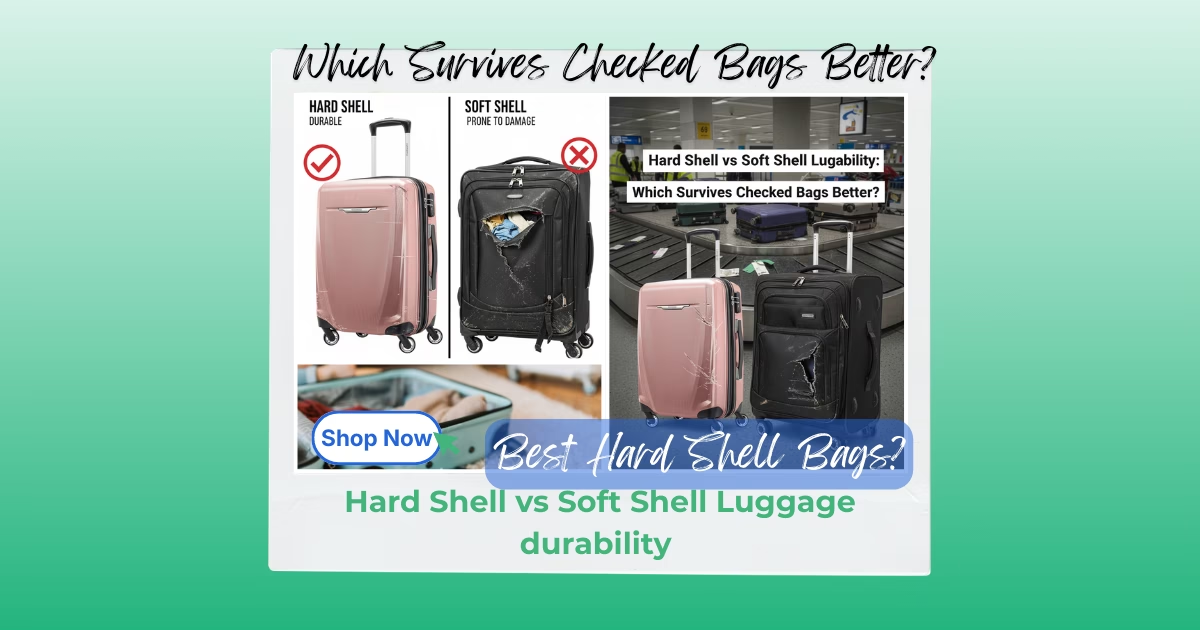
Introduction to the Hard Shell luggage vs Soft Shell Luggage:
The choice between hard shell and soft shell luggage is a critical decision for travelers, as it can significantly impact their travel experience. Both types of luggage offer distinct advantages and drawbacks, but when it comes to durability—especially during checked baggage handling—this debate becomes even more pertinent. Understanding the nuances of hard shell vs soft shell luggage durability allows travelers to make informed choices suited to their traveling needs.
Durability is a vital concern for anyone planning to travel. Checked bags often endure rough handling, which can lead to potential damage. Hard shell luggage, typically made from materials like polycarbonate or ABS, offers enhanced protection against impacts and heavy loads, making it an appealing choice for frequent flyers. Conversely, soft shell luggage can provide flexibility and increased storage capacity, yet may lack the same resistance to crush and puncture that hard-sided options offer. Travelers often weigh these factors when considering which option will best withstand the rigors of airport security and baggage handling systems.
This comparison isn’t solely technical; it also engages with the travelers’ lifestyle and needs, accommodating various travel habits. For instance, some may prefer the lightweight and expandable features of soft shell cases while others may prioritize the sturdy, protective characteristics of hard shell variants. Innovations in luggage design, such as the best luggage wheels for maneuverability, different closures such as zipper vs latch suitcase, and overall durability provided by warranties, add more layers to the decision-making process. Ultimately, understanding the features and durability of both hard shell and soft shell luggage is crucial in selecting the ideal companion for your travels.
Quick Answer
When considering hard shell vs soft shell luggage durability, hard shell luggage generally offers superior protection against impacts due to its rigid structure, often made from materials like polycarbonate or ABS. However, soft shell luggage provides flexibility and greater expandability. Ultimately, the choice depends on traveler needs and preferences regarding durability and design.
Overview of Hard Shell and Soft Shell Luggage
Luggage is an essential component of travel, and choosing the right type can significantly affect your overall experience. Hard shell luggage and soft shell luggage each offer distinct advantages and disadvantages, primarily in terms of design, materials, and durability. Hard shell luggage typically consists of a rigid outer shell, often made from durable materials such as polycarbonate or ABS plastic. Polycarbonate boasts superior impact resistance and is lighter than ABS, but both materials provide a solid structure that protects contents from external pressures and impacts. The design of hard shell luggage often includes a zipper-less latch system that secures the contents securely, adding an additional layer of protection against theft.
On the other hand, soft shell luggage is generally composed of flexible fabrics such as nylon or polyester. This design allows for greater flexibility, making it easier to fit into tight spaces, such as overhead compartments on airplanes. Additionally, soft shell luggage often features external pockets that enhance organization and accessibility during travel. While soft shell options may provide a marginally lower level of protection against blunt force impacts compared to hard shell varieties, they often include reinforced seams and water-resistant properties, making them suitable for various travel conditions.
Durability is another critical factor when discussing hard shell vs soft shell luggage. Hard shell luggage does not typically bend or compress, providing a robust defense against impact damage. However, when it comes to luggage warranty, a higher initial investment in quality hard shell products may be worth considering, as they often come with enhanced warranties. Conversely, soft shell options can exhibit wear over time, especially in high-stress areas, but are often repairable, which can extend their lifespan. Ultimately, the choice between hard shell and soft shell luggage involves weighing personal preference against specific travel needs.
Durability Comparison of Hard Shell vs Soft Shell Luggage
When evaluating the durability of hard shell versus soft shell luggage, it is essential to explore the specific materials utilized in their construction, their resistance to impacts, and how they perform under various travel conditions. The choice between polycarbonate and ABS luggage is particularly significant, as both materials possess unique attributes that influence longevity and functionality.
- Material Composition: Hard shell luggage is commonly made from polycarbonate or ABS plastic. Polycarbonate is known for its superior impact resistance and light weight, making it a preferred choice for travelers who seek durability without excess weight. ABS, while more affordable, is generally less impact-resistant than polycarbonate.
- Impact Resistance: Hard shell luggage excels in resisting sharp blows and is less likely to be punctured compared to soft shell options. This makes it a better choice for those who frequently travel with fragile items. Soft shell luggage, made from fabrics like nylon or polyester, can withstand compressive forces but may suffer from tears or abrasions when dragged in rough conditions.
- Weather Resistance: Hard shell cases typically offer better protection against rain and moisture due to their solid exterior. Soft shell luggage, while it may feature water-resistant coatings, can absorb water if left exposed for prolonged periods. Enhancing weather resistance with additional covers can be more challenging with soft shell options.
- Compression and Flexibility: Soft shell luggage can expand, allowing for an increase in packing capacity and making it easier to fit into tight spaces. This flexibility can be advantageous in certain travel scenarios, where packing additional items may be necessary.
- Wheels and Zipper/Latch System: The durability of luggage wheels and the closing mechanisms play a crucial role in the overall lifespan. Hard shell luggage usually features more robust wheels designed to withstand rough handling, while zipper mechanisms may be less durable over time compared to latches.
When considering which option to choose, assessing the durability factors of hard shell vs soft shell luggage becomes paramount. Travelers must prioritize their unique needs, whether durability, capacity, or ease of use is more important.
Pros and Cons of Hard Shell vs Soft Shell Luggage
When choosing between hard shell and soft shell luggage, it is important to consider various factors that may affect your travel experience. Each type of luggage comes with its own set of advantages and disadvantages, which can influence your decision based on personal preferences and travel needs.
Weight: Hard shell luggage is generally heavier than soft shell alternatives. This can be a significant factor if weight restrictions are a concern, particularly for budget airlines. However, advancements in materials such as polycarbonate mean that some hard shell suitcases can be lightweight yet durable.
Flexibility: Soft shell luggage tends to offer greater flexibility, allowing for slight overpacking and easier maneuverability in tight spaces. In contrast, hard shell luggage often provides a more rigid structure, which may limit the amount of additional items you can pack.
Price: The cost of hard shell versus soft shell luggage can vary significantly. While soft shell options may be more affordable, higher-end hard shell luggage made from materials like polycarbonate can be more expensive but also more durable. Understanding the luggage warranty associated with these options is crucial, as this could add value to your investment.
Storage Capacity: Soft shell luggage typically comes with expandable compartments, making it easier to increase storage capacity when needed. Conversely, hard shell luggage may have fixed compartments, which can limit how much you can pack depending on your needs.
Ease of Handling: Both types of luggage can come equipped with the best luggage wheels, enhancing ease of movement. However, soft shell bags often have additional handles that provide more carrying options and make it easier to load and unload from vehicles and overhead compartments.
In summary, weighing the pros and cons of hard shell vs soft shell luggage is essential to determine the best fit for your travel style. Factors such as durability, flexibility, ease of handling, and cost should be carefully evaluated to make an informed choice.
Best Use Cases for Hard Shell luggage and Soft Shell Luggage
Choosing between hard shell luggage and soft shell luggage often depends on the specific travel scenario. Each type has its advantages, making it suitable for different circumstances, such as international flights, road trips, and adventure travel.
Hard shell luggage is particularly advantageous for international flights. Its rigid construction typically provides superior protection against impact and compression, which can be crucial in an airport environment where bags are frequently tossed around. Many hard shell options are made from durable materials like polycarbonate or ABS, ensuring that fragile items within are well-guarded. Additionally, their sleek exterior is often designed to deter scratches and abrasions, maintaining a polished look for business travelers or those flying for special occasions.
On the other hand, soft shell luggage excels during road trips or travel requiring flexibility. The malleability of soft shell bags allows for easier storage in tight spaces, such as trunks or crowded overhead compartments. Furthermore, soft shell luggage often comes equipped with external pockets, facilitating quick access to essentials like travel documents and snacks. Its lightweight nature also provides ease of mobility, making it a suitable choice for travelers who may need to navigate various terrains or those on longer journeys.
Adventure travelers may find themselves weighing options based on specific activities. For instance, if carrying sporting equipment or fragile gear, a hard shell option could be more appropriate, given its structural integrity. Conversely, if one’s travels involve unpredictable environments, such as hiking or camping, soft shell luggage offers the adaptability and unrestricted space that can be pivotal.
In selecting the right luggage type, understanding these specific use cases ensures that travelers can make an informed choice that aligns with their needs, thus enhancing the overall travel experience.
Cost or Performance Analysis
The decision between hard shell and soft shell luggage often hinges on a cost versus performance analysis. Hard shell luggage, typically made from polycarbonate or ABS materials, tends to carry a higher price tag. This increase in cost is often justified by improved durability and protection against impacts, making them popular choices for frequent travelers concerned about how their luggage performs under pressure. While polycarbonate luggage offers high resilience and lightweight characteristics, ABS is less costly yet may not withstand harsh conditions as effectively.
On the other hand, soft shell luggage can come at a lower price point while offering flexibility that hard shell models lack. For travelers looking for a balance between cost and usability, soft shell options often feature expandable compartments, which can be advantageous when packing more items. However, this accommodation may cost travelers some durability, especially regarding abrasion and environmental factors, leading to increased wear and tear.
The following table summarizes the comparison between hard shell and soft shell luggage based on price points, durability ratings, and performance under various scenarios:
| Type | Price Range | Durability Rating | Performance |
|---|---|---|---|
| Hard Shell | $$$ | High | Excellent for withstand impacts, less flexible |
| Soft Shell | $$ | Moderate | Flexible and expandable, more susceptible to wear |
The choice between these luggage types ultimately depends on individual travel needs and priorities. For those prioritizing durability, especially in high-stress travel environments, investing in hard shell luggage made from polycarbonate may be worth considering. Conversely, travelers seeking affordability without compromising functionality might find that soft shell options meet their requirements adequately. The examination of luggage warranties may also play a significant role in making a well-informed choice; understanding whether a warranty protects against significant wear and tear can influence perceptions regarding durability and expense.
Amazon Product Recommendations
Choosing the right luggage can significantly affect your travel experience, especially when evaluating hard shell vs soft shell luggage durability. Below are five highly recommended luggage options available on Amazon, showcasing both hard and soft shell varieties.
1. Samsonite Winfield 3 DLX Hardside Luggage
This durable polycarbonate suitcase offers a sleek design and exceptional protection for your belongings. Its scratch-resistant exterior ensures it maintains a stylish appearance throughout your travels.


Key Features: 20-inch carry-on size, multi-directional spinner wheels, TSA-approved lock.
Pros: Lightweight yet sturdy; spacious interior with dividers.
Best For: Frequent travelers needing a robust and stylish option.

2. Travelpro Platinum Elite Softside Expandable Luggage
Constructed with high-density nylon fabric, this soft shell suitcase is designed to endure the wear and tear of travel while providing ample storage. It features an expansion option for additional capacity.
Key Features: 21-inch carry-on, unique patented bottom design for added stability, high-performance wheels.
Pros: Lightweight with a comfortable grip; lifetime warranty available.
Best For: Those prioritizing flexibility and soft-shell features.

3. AmazonBasics Hardside Luggage
A budget-friendly option, this hard shell luggage combines durability with affordability. Its polycarbonate construction protects your belongings while being lightweight for easy handling.
Key Features: 28-inch size, 360-degree spinner wheels, multiple compartments for organization.
Pros: Cost-effective; ample space for extended trips.
Best For: Travelers looking for an economical yet durable choice.

4. Delsey Paris Helium Aero Hardside Luggage
This stylish hardside suitcase is made of lightweight polycarbonate and features a dazzling finish. It has a roomy interior and multiple compartments for easy packing and organization.
Key Features: 25-inch size, dual-spinner wheels, integrated TSA-approved lock.
Pros: Sleek design; durable and scratch-resistant.
Best For: Travelers who desire a combination of aesthetics and durability.

When considering luggage options, assess factors such as hard shell vs soft shell luggage durability, as well as additional features like luggage warranty and wheel quality to find the best fit for your needs.
Conclusion
In examining the durability of hard shell vs soft shell luggage, several key factors arise that can significantly impact a traveler’s experience. Hard shell luggage, typically crafted from materials such as polycarbonate and ABS, offers increased protection against impacts and is often waterproof, making it a suitable choice for individuals seeking security for delicate items. On the other hand, soft shell luggage is generally lighter and more flexible, providing ease of storage and handling, but may lack the same level of structural integrity as its hard shell counterpart.
The choice between polycarbonate and ABS luggage also plays a crucial role, as polycarbonate is known for its superior strength and resistance to denting and cracking, whereas ABS tends to be more cost-effective but may not provide the same level of durability over time. Additionally, the quality of luggage wheels is another vital aspect to consider, as well-designed wheels can greatly enhance maneuverability irrespective of the luggage type.
When considering fasteners, the debate between zipper vs latch suitcase designs is relevant; zippers are generally easier to use but may be more prone to failure than latches, which offer a more secure closing mechanism. Moreover, taking into account warranties offered on luggage can protect your investment; understanding whether a luggage warranty is worth it can save costs on replacements or repairs in the long run.
Ultimately, the right choice between hard shell and soft shell luggage depends on individual travel needs. For those prioritizing durability and protection, hard shell models may be preferable, while travelers seeking flexibility and weight efficiency may fare better with soft shell options. We encourage readers to assess their preferences and requirements carefully to select the luggage type that best fits their journey. For further insights, consider visiting Travel Dan and Luggage Pedia for comprehensive luggage buying guides and tips.
Frequently Asked Questions
Which is more durable, hard shell or soft shell luggage?
When comparing hard shell vs soft shell luggage durability, hard shell luggage typically offers superior protection against impacts and rough handling. Made from materials like polycarbonate and ABS, it can withstand considerable pressure, making it ideal for travelers concerned about checked baggage wear and tear. On the other hand, soft shell luggage is made from fabrics that can be susceptible to tears and punctures, although it often provides more flexibility and expandability.
Is polycarbonate better than ABS for luggage?
Polycarbonate luggage is often regarded as the superior material compared to ABS due to its lightweight and impact-resistant properties. While ABS tends to be more affordable, it may not withstand heavy abuse as effectively as polycarbonate does. For those needing durable hard shell luggage, polycarbonate is generally the preferred choice despite its higher cost.
What are the best luggage wheels to choose?
The best luggage wheels are typically those that are durable and provide smooth maneuverability. Spinner wheels, which rotate 360 degrees, are popular for their ease of movement in crowded areas, while traditional two-wheeled designs may offer greater stability on uneven surfaces. Ultimately, the choice depends on the traveler’s preferred style and needs.
Should I choose a zipper or latch suitcase?
Choosing between a zipper vs latch suitcase ultimately comes down to personal preference and security needs. Zippered luggage is generally lighter and provides more packing space, while latch systems may offer enhanced security against unauthorized access. Travelers should weigh the benefits and drawbacks to determine which mechanism best suits their travel habits.
Is investing in luggage warranty worth it?
Luggage warranties can be a worthwhile investment, especially for frequent travelers who may face wear and tear. Many warranties cover repairs for defects or damages incurred during travel, providing peace of mind. Understanding the specific terms and coverage options can help travelers determine whether a warranty aligns with their travel strategies.
Read more Travel related Articles:
The Best Compression Packing Cubes for One-Bag Travel
Best Carry-On Backpack That Fits Under Seat
The Ultimate Guide to the Best Travel Pillow for Side Sleepers on Planes
Travel Light: Essential Packing Tips for Carry-On Only Adventures