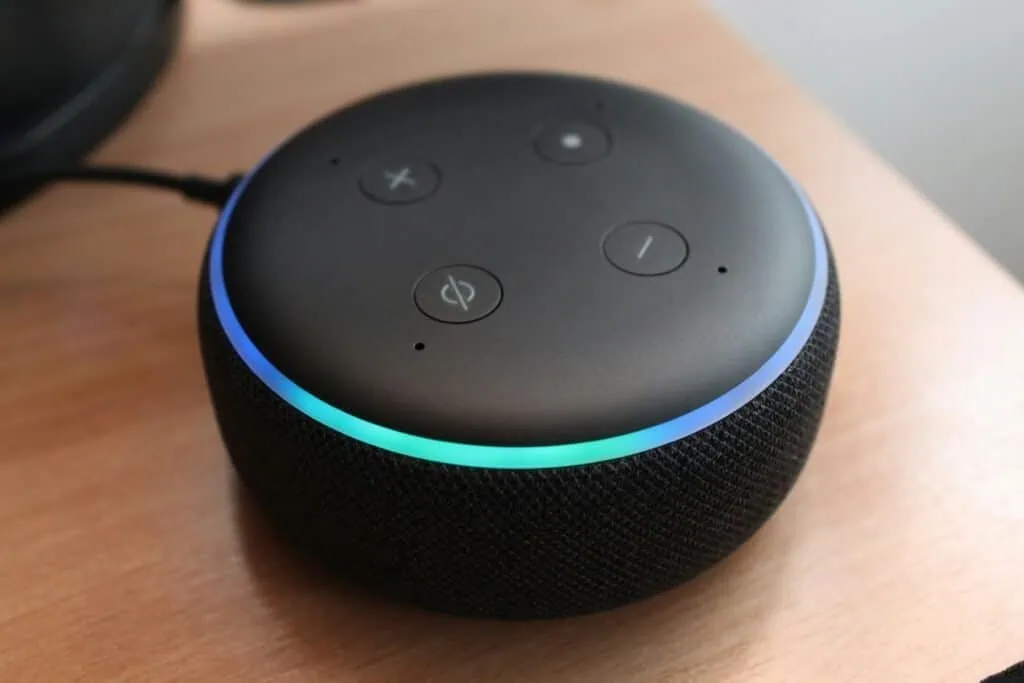
Understanding Alexa’s Parental Control Options
How to Set Up Parental Controls on Alexa Devices?
Alexa devices offer a variety of parental control options that enable families to create a safer and more appropriate environment for children. One of the primary features available is the ability to set content restrictions, which allows parents to manage the type of media and information their children can access. This function is particularly important given the vast array of music, podcasts, and information that Alexa can provide, some of which may not be suitable for younger audiences.
Our Picks at a Glance
- 🥇Top Pick: Understanding Alexa’s Parental Control Options
- 🥈Best Value: Customizing Alexa’s Features for Kids
- 🏆Premium Pick: Monitoring and Managing Device Usage
Why Trust ShoppingPicker
Every product in this guide was evaluated on: verified Amazon customer reviews, ratings trends, build quality, value-for-money, and brand reputation. We never accept paid placements — every pick is data-driven from real buyers.
Another crucial aspect of parental controls on Alexa devices is the privacy settings. These settings allow parents to monitor and manage how their children interact with Alexa, and they can be adjusted to ensure that private conversations remain confidential. For instance, parents can opt to disable the voice recordings feature, which not only protects children’s privacy but also provides peace of mind regarding how data collected by Alexa is used.
Moreover, Alexa’s built-in capabilities allow parents to foster positive family interactions. For example, by enabling the “Kid Skills” feature, parents can select age-appropriate games and activities for their children. This feature promotes educational and entertaining experiences, enhancing both learning and fun during family time. Additionally, by using the Alexa app, parents can easily track and limit their child’s screen time and device usage, encouraging healthier habits.
It is crucial for parents to regularly review and adjust these controls as their children grow and their needs evolve. By actively engaging with Alexa’s parental control options, caregivers can equip their children with a safer online experience while ensuring that the device is used appropriately and beneficially within the family dynamic. Such measures not only secure children’s interactions but also enrich their overall experience with Alexa.
Step-by-Step Guide to Activating Parental Controls
Activating parental controls on Alexa devices is a crucial step for parents wishing to provide a safe environment for their children while using technology. The process is straightforward, primarily facilitated through the Alexa app, which allows for comprehensive management of settings. The following guide outlines the steps to activate these essential features.
First, begin by downloading the Alexa app on your smartphone or tablet. Ensure that your device is connected to the same Wi-Fi network as your Alexa device. Once you have the app open, log in with your Amazon account credentials. From the app’s home screen, navigate to the ‘Devices’ tab located at the bottom of the screen. Here, you’ll see a list of all your Alexa-enabled devices.
Select the device for which you wish to enable parental controls. After selecting the device, tap on the ‘Settings’ icon, typically represented by a gear symbol. In the settings menu, scroll down to find the ‘Parental Controls’ option. Tap on this option to access the parental control features.
Within the ‘Parental Controls’ menu, you can enable various settings. Start by toggling on the option to filter explicit content, ensuring your children are shielded from inappropriate material. Additionally, navigate to the ‘Voice Purchasing’ settings and turn off this feature to prevent accidental purchases. You can manage music and audio preferences as well, restricting access to certain streaming services or playlists if necessary.
Once you have configured the settings to your liking, ensure that you save your changes. It can be beneficial to regularly check these settings as children grow or their needs change. This proactive approach not only helps keep them safe but also empowers parents to maintain appropriate use of technology.
Customizing Alexa’s Features for Kids
Customizing Alexa’s features for children is essential in creating a safe and educational environment for young users. One of the most effective ways to achieve this is by enabling the ‘FreeTime’ or ‘Amazon Kids’ features. These options provide parents with tools to manage what their children can access through Alexa, ensuring age-appropriate content is available. By activating these features, Alexa can offer curated music, educational games, and audiobooks tailored specifically to children’s interests, promoting a learning-friendly atmosphere.
Creating personalized profiles for each child is another significant advantage of customizing Alexa. By linking multiple profiles, parents can control each child’s interactions with the device, including the types of skills and apps available to them. This allows for a more tailored experience where children can explore content suited to their age and maturity level. For instance, the ‘FreeTime’ feature enables parents to set individual restrictions and monitor usage effectively. This personalized approach helps cultivate a more responsible and engaging interaction with technology.
Furthermore, parents can enhance educational opportunities through Alexa’s skill set. Skills related to subjects such as mathematics, science, and vocabulary can be easily enabled, allowing children to interact with educational content seamlessly. This interactive learning experience encourages curiosity and aids in their development. Additionally, parents can customize Alexa’s voice responses to align with their teaching style or preference, making it more relatable and engaging for children. By thoughtfully configuring these features, Alexa can become a valuable educational companion while ensuring a safe digital space for children to explore.
Monitoring and Managing Device Usage
Establishing effective parental controls on Alexa devices necessitates ongoing monitoring and management of children’s interactions. To maintain a secure and responsible environment for device use, parents should initiate regular check-ins with their children to discuss their experiences and any concerns they may have regarding their interactions with Alexa. This proactive communication fosters an atmosphere of trust and encourages participants to actively engage with the device responsibly.
One crucial strategy for monitoring usage involves reviewing the voice history of interactions with Alexa. This can be done via the Alexa app, which provides parents with insights into the specific commands and queries made by their children. Regularly auditing this history not only allows parents to assess content appropriateness but also aids in identifying patterns that may require attention or adjustment. Utilizing this feature promotes transparency in device usage and encourages children to be mindful of their interactions with Alexa.
Additionally, many Alexa devices come with built-in parental dashboards that offer insights into device usage trends. These tools enable parents to view usage statistics, control device settings, and customize content restrictions according to their family’s needs. Implementing time limits for device usage is another vital component of responsible device management. By setting daily or weekly limits, parents can help ensure that children engage with Alexa in a balanced manner, allowing for a healthier mix of digital and offline activities.
Lastly, fostering open communication about device rules is crucial. Parents should clearly outline expectations and guidelines regarding Alexa usage while examining the rationale behind these rules. This dialogue not only sets boundaries but also encourages children to develop responsible habits when interacting with technology, ultimately leading to a balanced and enriching experience with their Alexa devices.
Learn more about the Echo Devices from Amazon.com. Trust me you must have one in your home!
Read more new post from shopping picker here!
Subscribe to us now!
Affiliate Disclosure: ShoppingPicker is a participant in the Amazon Services LLC Associates Program, an affiliate advertising program designed to provide a means for sites to earn advertising fees by advertising and linking to Amazon.com. As an Amazon Associate, we earn from qualifying purchases.