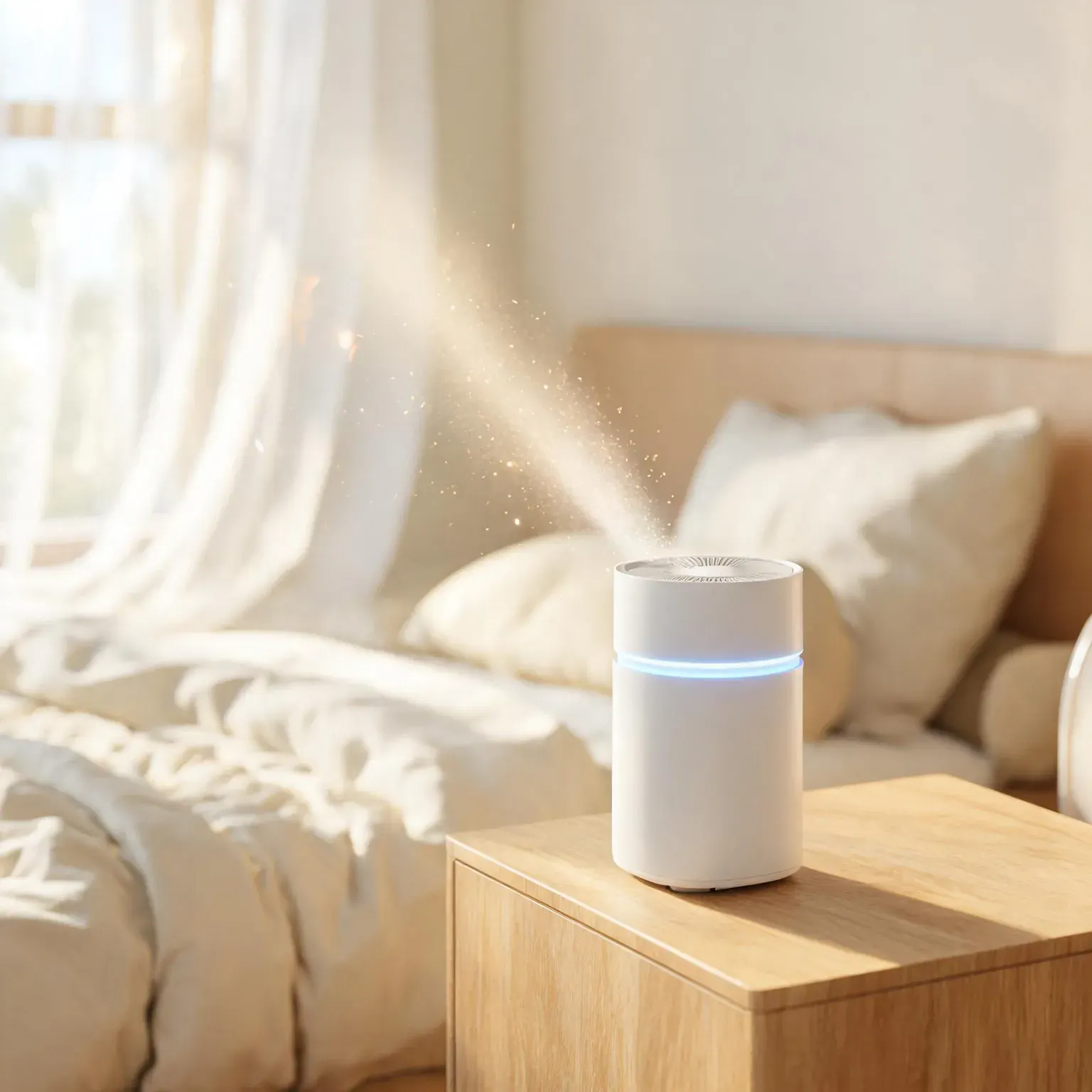
The best air purifiers for 2026 do not have to cost $250 – and the square footage on the box rarely means what it says. We pulled seven live Amazon listings on September 29, 2026, from $76.70 to $249.99, and compared the numbers most roundups skip: verified prices and stock, AHAM room ratings, published CADR, real sleep-mode noise claims, and recurring filter costs. Whether you need allergy relief for a bedroom, a smart unit that reads the room, or a heavy-duty pick for a large living space, here is what each one genuinely delivers – and who should skip it.
Affiliate disclosure: As an Amazon Associate I earn from qualifying purchases. We earn commission from qualifying purchases made through links on this page. This never affects our rankings or what we recommend.
What this guide covers
- The seven picks compared at a glance
- 1. Coway Mighty AP-1512HH – Best Overall
- 2. Levoit Core 300 – Best Budget
- 3. Winix 5530 – Best Smart Pick
- 4. Medify MA-40 – Best for Severe Allergies
- 5. Blueair Blue Pure 511i Max – Best for Bedrooms
- 6. FreAire HAP605 – Best Large-Room Value
- 7. GermGuardian AC4825E – Best Budget Tower
- A spec-truth table built from the live listings
- What you get at each price tier
- Where our ranking disagrees with the specialist testers
- The traps to know before you buy
- What the institutional guidance actually says
- How to choose without overpaying
- Frequently asked questions
- The bottom line
- How we research and verify this guide
- Related guides
The seven picks compared at a glance
| Product | Standout spec | Price | Track record | Deal |
|---|---|---|---|---|
 Coway COWAY Air Purifier for Home Up to 1,748ft², HEPA Filter for Smoke, Allergies, |
[Coverage] Designed to clean spaces up to 1,748 sq. ft. in 60 minutes | $154.99 $229.99 |
#4 in HEPA Air Purifiers |
33% OFF Prime Exclusive In Stock |
 Levoit Levoit Air Purifier for Home Pets Hair Allergens in Bedroom Quiet Purifiers |
AHAM VERIFIDE, PROVEN PERFORMANCE: AHAM VERIFIDE with a CADR (Clean Air Delivery Rate) rating o | $80.99 $99.99 |
#1 in HEPA Air Purifiers |
19% OFF In Stock |
 Winix WINIX 5530 Air Purifier (New Generation of 5500-2 with App Control) for Home L |
𝐀𝐇𝐀𝐌 𝐕𝐞𝐫𝐢𝐟𝐢𝐝𝐞 𝐚𝐭 𝟑92 𝐬𝐪 𝐟𝐭.: Also cleans rooms up to 1,882 sq ft in 1 hour (941 sq ft in 30 min | $134.99 $179.99 |
#3 in HEPA Air Purifiers |
25% OFF Prime Exclusive In Stock |
 Medify Air Medify MA-40 Air Purifier with HEPA Filter | 1,793 ft² Coverage in 1hr for Smo |
MAXIMUM COVERAGE: Cleans large spaces up to 1,793 sq ft in one hour, 896 sq ft in 30 minutes (C | $249.99 |
#75 in HEPA Air Purifiers |
In Stock |
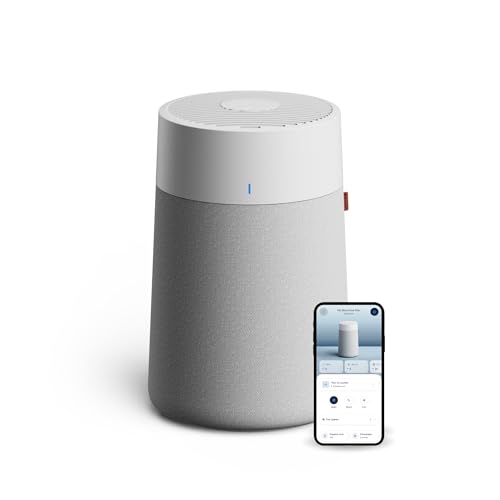 BLUEAIR BLUEAIR Air Purifiers for Home Bedroom Dorm up to 1,138 Ft², Blue 511i Max |
Powerful Air Cleaning for Small Rooms: The Blue Pure 511i Max quickly refreshes indoor air in b | $139.00 |
#20 in HEPA Air Purifiers |
In Stock |
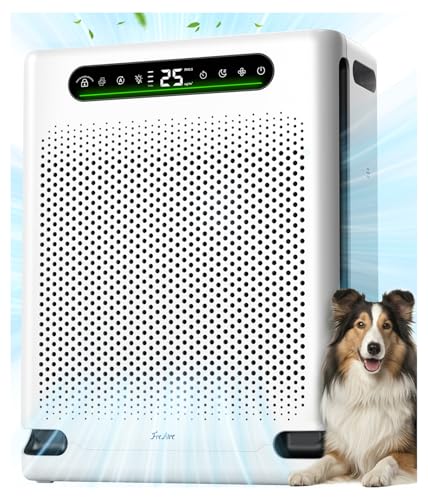 FreAire FreAire Air Purifiers for Home Large Room Up to 2600 Ft², HAP605, White |
[Triple Air Intake for Large Rooms]: This air purifier combines a wide front inlet with two sid | $89.99 $249.99 |
#20 in HEPA Air Purifiers |
64% OFF In Stock |
 GermGuardian GermGuardian HEPA Air Purifier Tower – 22" – Gray – AC4825E |
AIR PURIFIER FOR HOME: Circulates and filters air in a small bedroom (153 sq. ft.) every 12.5 m | $76.70 $99.99 |
#27 in HEPA Air Purifiers |
23% OFF Prime Exclusive In Stock |
1. Coway Mighty AP-1512HH – Best Overall
The benchmark pick: a four-stage design with a real-time air-quality LED, Auto Mode and Eco throttling that lets the fan idle when the room is clean. It carries the longest documented warranty in this guide (3 years) and, at check time, a 33% discount to $154.99 – the lowest verified price we found in its coverage class.
What We Like
- Four-stage filtration: washable pre-filter, deodorizing carbon filter, bipolar device and HEPA rated to capture 99.97% of 0.3-micron particles
- Auto Mode reads the room in real time and adjusts fan speed for you; Eco mode lets the fan stop when air is clean
- 3-year warranty – the longest documented coverage among these seven picks
- 33% off at check time: $154.99 against a $229.99 list price
Flaws but not dealbreakers
- The 1,748 sq ft figure is a one-hour air-change marketing number, not an AHAM room rating – size it with the 2/3 rule below
- No app or WiFi control at this price
- The listing documents a bipolar-device stage but does not mention a disable switch – check the manual if ionizer stages matter to you
Who should NOT buy this: tighter budgets – the Levoit Core 300 covers small bedrooms for about half the price, and the Winix 5530 adds app control for $20 less
2. Levoit Core 300 – Best Budget
The best seller, and the only sub-$100 pick here that publishes both an AHAM Verifide room rating and a full CADR set – which means you can actually check its math. It’s also the current #1 best seller in Amazon’s HEPA Air Purifiers category, discounted 19% at check time.
What We Like
- AHAM Verifide with published CADR: 143 CFM smoke / 153 CFM dust / 167 CFM pollen – rare transparency under $100
- Rated to refresh a 222 sq ft room 4.8 times per hour (and a 1,073 sq ft room once per hour)
- 24 dB Sleep Mode with lights-off display and a 2/4/6/8-hour timer
- #1 best seller in Amazon’s HEPA Air Purifiers category with a 19% discount at check time
Flaws but not dealbreakers
- No air-quality sensor, no auto mode and no app – it runs on your schedule, not the room’s
- Filter is described as HEPA-grade rather than H13/medical class
- Small-room sizing only – the AHAM-verified figure tops out in the bedroom class
Who should NOT buy this: open-plan great rooms – for those, step up to the Winix 5530’s verified 392 sq ft or a large-room unit below
3. Winix 5530 – Best Smart Pick
The smart one: AHAM Verifide for 392 sq ft rooms, app control with a live air-quality indicator, Auto Mode, and a washable fine-mesh pre-filter feeding the carbon + True HEPA stack. It carried a 25% discount and a Prime Exclusive flag at check time.
What We Like
- AHAM Verifide for 392 sq ft rooms – the largest verified room rating among our sub-$160 picks
- App control with real-time air-quality indicator and Auto Mode
- Washable fine-mesh pre-filter as the first line of defense, ahead of the carbon filter
- Activated carbon filter targets VOCs and cooking/pet odors, which plain HEPA cannot capture
Flaws but not dealbreakers
- The 1,882 sq ft headline is a one-hour air-change figure – use the 392 sq ft AHAM rating for day-to-day sizing
- Prime Exclusive deal status at check time – the discounted price requires a Prime membership
- No noise figures published on the listing
Who should NOT buy this: manual-control purists who don’t want an app account in the loop
4. Medify MA-40 – Best for Severe Allergies
The heavy hitter for big, open spaces: the highest published CADR in this guide (406 CFM), H13-class filtration, and a USA-registered lifetime warranty. We re-verified this pick against the single-unit listing – the two-pack configuration previously linked from this guide is currently out of stock.
What We Like
- Highest published CADR here: 406 CFM, sized for large rooms and open floor plans
- H13-class HEPA with 99.9% capture claims down to 0.1 microns (finer than H11-class 0.3-micron filters)
- USA-registered lifetime warranty – the most generous coverage documented in this guide
- Touch panel with 0-8 hour timer, sleep mode, filter indicator and child lock
Flaws but not dealbreakers
- 46 dB minimum noise – the loudest low setting among these seven, so listen before committing it to a bedroom
- Premium price: $249.99 buys coverage most bedrooms never need
- Replacement filter is an OEM part rated for about 3,000 hours (~6 months); budget the recurring cost
Who should NOT buy this: rooms under about 400 sq ft – the Levoit Core 300 does that job for $169 less, and you would be paying for CADR you never use
5. Blueair Blue Pure 511i Max – Best for Bedrooms
The bedroom specialist: a 19 dB low-end claim (the quietest here), sensor-driven auto speed, app monitoring with filter reminders, and a 237 sq ft refresh in about 12.5 minutes. Compact, fabric-wrapped and genuinely designed for sleep.
What We Like
- 19 dB low-speed claim – the quietest published figure in this guide
- Built-in air-quality sensors auto-adjust fan speed; app adds monitoring and filter reminders
- HEPASilent dual filtration captures 99.97% of airborne particles down to 0.1 microns (per Blueair)
- 360-degree air intake and a washable fabric pre-filter (five color options)
Flaws but not dealbreakers
- No AHAM room rating or CADR numbers published on the listing – size it with the 2/3 rule and its 12.5-minute figure
- Main filter is a recurring cost; the fabric pre-filter needs regular vacuuming
- The 1,138 sq ft headline is a one-hour air-change number – it is still a small-to-mid room unit
Who should NOT buy this: living rooms and open-plan spaces – take the Medify or FreAire instead
6. FreAire HAP605 – Best Large-Room Value
A full rewrite from our previous pick: the HAP607 listing we once recommended now sits unavailable, so we re-verified its successor, the HAP605. The honest version: 2,600 sq ft is a marketing headline – what you actually get at $89.99 (64% off at check time) is a three-inlet purifier with a PM2.5 display, Auto Mode, a washable pre-filter and a 20 dB sleep mode.
What We Like
- PM2.5 sensor with a real-time display; Auto Mode reacts to particle spikes
- 20 dB Sleep Mode with all display lights off after a few seconds
- Washable, grid-framed pre-filter you can rinse and reinstall to extend main-filter life
- 64% off at check time: $89.99 against a $249.99 list price
- Turbo Pet Mode for pet-hair zones
Flaws but not dealbreakers
- The 2,600 sq ft coverage claim is marketing – no AHAM room size or CADR is published on this listing
- Only the pre-filter is washable; the main HEPA cartridge still needs replacing every 3-6 months per the listing
- 1-year warranty – tied for the shortest documented coverage among these seven
Who should NOT buy this: buyers who want third-party verified performance numbers – this listing publishes neither CADR nor AHAM data; the Levoit and Winix picks do
7. GermGuardian AC4825E – Best Budget Tower
The budget tower: HEPA plus activated carbon plus an optional UV-C stage, with the cleanest certification sheet among the value picks (CARB Certified, ETL Certified, Zero Ozone Verified). Manual controls only – which is exactly why it sits under $80.
What We Like
- CARB Certified, ETL Certified and Zero Ozone Verified – the strongest certification set among the budget picks
- Optional UV-C stage on top of HEPA and activated-carbon filtration
- Slim 22-inch tower footprint that fits corners and tight bedroom layouts
- 23% off at check time: $76.70 against a $99.99 list price
Flaws but not dealbreakers
- Manual controls only – no sensor, no auto mode, no app
- The UV-C bulb is a second consumable to replace over time
- Loud at high speed; the 743 sq ft figure is an hourly air-change claim, not an AHAM rating
Who should NOT buy this: set-and-forget households – the Coway, Winix and FreAire picks handle automation
Spec-truth table: the numbers the listings actually publish
Only two of these seven listings publish an AHAM-verified room size, and only two publish any CADR number at all. Here is every sizing figure the listings actually state – so you can see exactly what is verified and what is marketing:
| Model | Verified price | AHAM room size | CADR (published) | 1-hour marketing figure | Sleep-mode noise | App | Warranty |
|---|---|---|---|---|---|---|---|
| Coway Mighty | $154.99 (33% off) | Not published | Not published | 1,748 ft² | Not published | No | 3 years |
| Levoit Core 300 | $80.99 (19% off) | 222 ft² | 143 / 153 / 167 CFM | 1,073 ft² | 24 dB claim | No | Not stated |
| Winix 5530 | $134.99 (25% off) | 392 ft² | Not published | 1,882 ft² | Not published | Yes | Not stated |
| Medify MA-40 | $249.99 | Not published | 406 CFM (single figure) | 1,793 ft² | 46 dB (minimum) | No | Lifetime |
| Blueair 511i Max | $139.00 | Not published | Not published | 1,138 ft² | 19 dB claim | Yes | Not stated |
| FreAire HAP605 | $89.99 (64% off) | Not published | Not published | 2,600 ft² | 20 dB claim | No | 1 year |
| GermGuardian AC4825E | $76.70 (23% off) | Not published | Not published | 743 ft² | Not published | No | Not stated |
Spec transparency note: every figure above is what the live listing publishes, pulled through Amazon’s product API on September 29, 2026. “Not published” means the listing does not state it – we print the gap rather than guess. Coverage headlines are manufacturer air-change claims, not independently measured by us; the AHAM column is the certified third-party number where one exists.
What you get at each price tier – and where paying more stops buying performance
- $76 – $90 (GermGuardian AC4825E, Levoit Core 300, FreAire HAP605): real HEPA filtration at the entry price. The Levoit is the only sub-$100 unit in our check with both an AHAM room rating and a full published CADR set; the GermGuardian trades sensors for certifications (CARB, ETL, Zero Ozone) and a UV-C stage; and the FreAire – normally a $150+ listing, at $89.99 with a 64% discount at check time – brings a PM2.5 display and washable pre-filter into this tier, with the caveat that it publishes no CADR or AHAM data. What you give up at this tier: app control and documented long warranties.
- $135 – $155 (Winix 5530, Blueair 511i Max, Coway Mighty): the value sweet spot. This tier buys sensors with Auto Mode (all three), app control (Winix, Blueair), the quietest documented claims (19 dB on the Blueair), and – on the Coway – a 3-year warranty. For bedrooms and living rooms up to about 400 sq ft, this is where the money works hardest.
- $250 (Medify MA-40): the big-room tier. You are buying CADR 406 and H13-class filtration for open floor plans, plus a lifetime warranty. For rooms under ~400 sq ft this tier is overkill.
- Where paying more stops buying performance: for a typical bedroom or living room up to about 400 sq ft, everything above roughly $155 buys convenience, design and brand – not cleaner air. Run the AHAM 2/3 rule below against the published CADR numbers and you will see it: the $135 Winix is already certified for a 392 sq ft room, so a $250 unit in the same room is paying for headroom you may not need. Step above $155 only when your space is genuinely larger, or when the warranty and H13 class matter to you.
Where our ranking disagrees with the specialist testers
Two of the most thorough air-purifier testers in the business rank parts of this category differently – and the disagreements are useful to understand before you buy:
- HouseFresh’s best-for-most pick is newer than ours – and it is a fair point. HouseFresh (147 units bought and tested since 2020) crowns the Coway Airmega Mighty2 at $269.99 as best for most people, and in their particle test it ‘completed our particle removal test in 23 minutes, outperforming popular models from Levoit, Winix and Blueair.’ We keep the outgoing Mighty (AP-1512HH) as our best overall for one reason: it is $115 cheaper at $154.99 and still carries the 3-year warranty. If the newer sensor package and app polish matter to you, take HouseFresh’s pick – we would rather show you the upgrade path than pretend our pick wins everything.
- HouseFresh on our budget pick: ‘a little old now to be competitive with newer models.’ That is an honest note about the Levoit Core 300 – and yet their own review still credits ‘good CADR for under $100’ and ‘very affordable’ replacement filters. We keep it because it is the only sub-$100 unit we verified that publishes both an AHAM room rating and all three CADR numbers. You can audit its performance math; that transparency is worth more at this price than a spec bump.
- Vacuum Wars’ top-8 runs $650 – $1,369. Their competition (30+ units purchased and tested) is dominated by premium machines; their cheapest top-eight entry is the Winix 5500-2 at $250, which they called ‘by far the cheapest on that top eight list’ – and noted it ‘performed like a much more expensive air purifier.’ We do not dispute that premium units clean faster; we rank for what most bedrooms and living rooms need at the lowest verified price, then print the trade-offs. Their own result supports the value thesis.
The traps to know before you buy
- The coverage-number trap. The headline square footage is usually an air-change figure, not a room rating. Example: the Winix 5530’s box says 1,882 sq ft, while its AHAM Verifide rating is 392 sq ft. AHAM’s 2/3 rule is the honest sizing tool: you want a tobacco-smoke CADR at least 2/3 of your room’s area (a 120 sq ft room needs CADR 80+). Of our seven picks, only the Levoit and Medify publish CADR numbers at all – treat every other coverage number as marketing until you can verify it.
- The noise-number trap. Marketing dB is often a lowest-speed figure at a favourable distance. HouseFresh measured the Levoit Core 300 at 38.9 dB on speed 1 from three feet away – quiet, conversational-level, but not the ’24 dB’ the box suggests if you sleep beside it. If you are noise-sensitive, prefer units with a true sleep mode AND a published dB claim, and check the tester data where it exists.
- The ‘washable filter’ trap. On every washable-equipped pick here, it is the pre-filter that is washable – the main HEPA cartridge is still a paid consumable. The FreAire listing is explicit about it: washable pre-filter for routine care, main filter replaced every 3-6 months. Budget the recurring cost before the one-time purchase; Medify’s own listing prices its cartridge life at about 3,000 hours (~6 months).
- The ozone question. The EPA warns that some devices sold as air cleaners ‘intentionally produce the gas ozone’ and that vendors overstate their safety. None of our picks is an ozone generator, and the GermGuardian documents ‘Zero Ozone Verified’ – but if any device adds an ionizer or UV stage, know what it actually emits before relying on it, as EPA advises.
- The Prime Exclusive trap. The Winix 5530, Coway and GermGuardian carried Prime Exclusive deal flags at check time – the displayed discounts require a Prime membership. Without it, compare the non-promo price before deciding.
- The sensor-quirk footnotes. Small honest details from the listings: the FreAire’s PM2.5 indicator flashes for about 30 seconds at startup while the sensor initializes, and its filter reminder is a light, not a countdown. None of this is a dealbreaker – but it is the kind of small print that decides whether a purifier annoys you daily.
What the institutional guidance actually says (and what it does not promise)
Before you spend anything, here is the honest version from the institutions – because it is more useful than the marketing:
- The EPA puts source control and ventilation first. From the EPA’s air cleaner guidance: ‘The most effective ways to improve your indoor air are to reduce or remove the sources of pollutants and to ventilate with clean outdoor air. In addition, research shows that filtration can be an effective supplement to source control and ventilation.’ In other words: a purifier is a supplement – fix the source (smoke, dust, dander) and crack a window when you can.
- CADR is the number worth trusting, and AHAM explains it. Per AHAM’s guidance: the seal lists three CADR numbers (tobacco smoke, pollen, dust), the higher the faster the unit filters, and the 2/3 rule – ‘a unit with a tobacco smoke CADR at least 2/3 your room’s area’ – is the sizing tool. AHAM Verifide is what ‘independently tested for air cleaning performance’ actually looks like.
- EPA on ozone: be skeptical of extra ‘purifying’ tech. ‘Ozone generators that are sold as air cleaners intentionally produce the gas ozone. Often the vendors… lead the public to believe that these devices are always safe and effective.’ Health agencies have warned about ozone for decades – another reason we flag certifications like CARB and Zero Ozone Verified on the picks that carry them.
Read together: match a verified CADR to your room size, run it where you breathe, maintain the filters, and treat every additional technology stage with healthy skepticism until it is certified.
How to choose without overpaying
- Measure the room first (length x width), then apply the 2/3 rule. Your target is a published tobacco-smoke CADR of at least two-thirds of the room’s square footage. For a 240 sq ft bedroom that is CADR 160 – which is why the Levoit (143) fits small rooms and the Medify (406) exists for great rooms.
- Decide which numbers need to be published. Two picks here publish AHAM/CADR data (Levoit, and Medify’s single CADR figure; Winix publishes its AHAM room size). If a listing publishes neither, you are buying on trust – fine at $76, worth a second thought at $150+.
- Pick the automation level you will actually use. Auto Mode with a sensor (Coway, Winix, Blueair, FreAire) genuinely helps: the unit ramps up when particles spike and idles when the room is clean. Manual units (Levoit, GermGuardian) are simpler and cheaper – pick one only if you will actually run it on a schedule.
- Add up the five-year cost, not the sticker. Filters are the recurring expense (about 6 months per cartridge on most picks here; the FreAire’s main filter is replaced every 3-6 months, and only its pre-filter is washable). One exception worth noting: a washable pre-filter on the Winix, Coway and FreAire can stretch the expensive cartridge.
- Then buy from the deal the data supports. All three Prime Exclusive discounts flagged here (Winix, Coway, GermGuardian) were live at check time; prices move – re-check before you commit, because a $20 swing changes the value math at this tier.
Frequently asked questions
Do air purifiers really help with allergies?
They help by removing the particles that trigger symptoms – pollen, dust, pet dander – which is exactly what HEPA filtration is tested for (99.97% of 0.3-micron particles on the HEPA-class picks here). The EPA’s honest framing is that filtration is ‘an effective supplement to source control and ventilation’ rather than a cure on its own. Practical version: a HEPA unit in the bedroom plus washing bedding and keeping windows closed during pollen season does more than a purifier alone.
How often should I replace an air purifier’s filter?
It depends on usage and air quality, but the listings here give real numbers: Medify rates its cartridge at about 3,000 hours (about 6 months); FreAire says every 3-6 months; most other picks sit in the 6-12 month range with a filter indicator to guide you. Pre-filters (washable on the Winix, Coway and FreAire) can be rinsed to stretch cartridge life. Dusty homes and pet households should lean toward the shorter end.
What do CADR and AHAM’s 2/3 rule mean?
CADR (Clean Air Delivery Rate) is how much clean air a purifier delivers per minute, tested to the ANSI/AHAM AC-1 standard and listed as three numbers: smoke, dust and pollen. AHAM’s 2/3 rule says you want a tobacco-smoke CADR of at least two-thirds of your room’s area – a 120 sq ft room needs CADR 80+. The only two picks here whose listings publish CADR numbers: the Levoit Core 300 (143/153/167) and the Medify MA-40 (406). If a listing publishes neither CADR nor an AHAM room size, treat its square-footage headline as marketing.
Should I run my air purifier 24/7?
Running it continuously is what auto modes are for: on the Coway, Winix, Blueair and FreAire, a sensor lets the fan idle when air is clean and spin up when particles appear – the cheapest way to keep a room consistently filtered. If your unit is manual (Levoit, GermGuardian), a timer plus overnight use in the bedroom covers the hours you notice most.
Where should I place an air purifier?
Put it where you breathe most – the bedroom is the classic answer – and keep the intake and exhaust clear: freestanding, away from curtains and not boxed into furniture. Leave enough clearance that air can circulate on all open sides (the Blueair and FreAire pull from 360 degrees and three sides respectively), and keep it between you and the door or window if smoke or pollen drifts in from there.
Air purifier vs humidifier vs dehumidifier: which do I need?
Different jobs: purifiers remove particles, humidifiers add moisture, dehumidifiers remove it. If your complaint is dust, pollen or smoke – get the purifier first. If it is damp air and musty smells, see our dehumidifier picks. If it is dry winter air, compare with our humidifier guide. And for the allergy-specific angle, we break down the two devices in air purifier vs dehumidifier for allergies.
The bottom line
One buy-and-done pick: the Coway Mighty AP-1512HH at $154.99 – auto everything, a 3-year warranty and the lowest verified price in its class. Best value under $100: the Levoit Core 300 at $80.99, the only budget pick whose performance you can actually audit. Want an app and the largest verified room rating under $160: the Winix 5530. Big open spaces and severe allergies: the Medify MA-40’s CADR 406 and lifetime warranty earn their price. Bedroom quiet: the Blueair 511i Max at 19 dB. Large-room value and low fuss: the FreAire HAP605 at $89.99. Tightest budget: the GermGuardian AC4825E at $76.70. Every price, discount and stock status was verified on September 29, 2026 – and above roughly $155, paying more stops buying cleaner air for rooms under about 400 sq ft.
How we research and verify this guide
We pulled all seven listings from Amazon’s product API on September 29, 2026: brand confirmed as the first token of each title, USD price, discount, stock status and category rank recorded, and every coverage, CADR, noise and warranty figure taken from the listing’s own published text – nothing estimated. Where a listing publishes no number, we say so. For wider context we rely on named specialist testers (HouseFresh – 147 air purifiers bought and tested since 2020; Vacuum Wars – 30+ units purchased and tested) and institutional guidance (the US EPA’s indoor air quality guidance; AHAM Verifide’s third-party CADR certification program under the ANSI/AHAM AC-1 standard). See exactly how we research and rank products.
Transparency: we do not own a test lab. What is hands-on here is the verification work – live listing checks, brand-first checks, spec extraction, rank tracking. Performance, noise and particle-test figures are reported from the named sources, never invented. We do not accept payment for placement, and no manufacturer sees this page before you do.
US EPA – Air Cleaners and Air Filters in the Home: source-control and ventilation first; filtration as an effective supplement – plus the ozone-generator warning cited in our traps section.
AHAM Verifide – Certified Room Air Cleaner Directory: independently tested CADR numbers and the 2/3 sizing rule used throughout this guide.
HouseFresh – The best air purifiers you can buy: six years and 147 units of testing; the particle-removal and measured-noise data cited in our disagreement and traps sections.
Vacuum Wars – Best Air Purifiers: 30+ purchased and tested units; the carbon-filter findings and premium-heavy rankings referenced above.
Related guides
- Best Air Purifiers for Wildfire Smoke – smoke season picks and the carbon-filter angle
- Air Purifier vs Dehumidifier for Allergies – which device actually helps your symptoms
- Best Humidifiers – the other half of a healthy-air setup