Dry, tight, flaky skin is frustrating—especially when you’ve tried “hydrating” lotions that feel good for 20 minutes and then your face is back to uncomfortable. If you’re searching for the best face moisturizer for dry skin, this ranking guide is designed to help you choose faster with clear comparisons, real-use tips, and simple ingredient guidance.
The goal: help you find a moisturizer that actually supports your skin barrier, feels good on your face, and fits your routine—so you’re not wasting money (or collecting half-used bottles).
Affiliate Disclosure: This post contains affiliate links. If you buy through them, I may earn a commission at no extra cost to you. As an Amazon Associate, I earn from qualifying purchases.
Quick Answer (Featured Snippet)
The best face moisturizer for dry skin combines humectants (like hyaluronic acid or glycerin) to hydrate, barrier lipids (like ceramides) to repair, and a gentle occlusive layer (like dimethicone/petrolatum) to lock moisture in. For sensitive or acne-prone skin, choose fragrance-free, non-comedogenic formulas and focus on barrier support.
Table of Contents
- Best Face Moisturizers for Dry Skin: What Actually Works
- How to Choose the Right Moisturizer for Your Skin Type
- Quick Comparison Table
- Best Face Moisturizers for Dry Skin on Amazon (7 Picks)
- Best Use Cases (Pick the Right One Fast)
- How to Apply Moisturizer for Maximum Hydration
- FAQ
- Conclusion
Best Face Moisturizers for Dry Skin: What Actually Works
Dry skin usually comes down to one (or both) of these issues:
- Your skin doesn’t have enough water in the outer layer (dehydration)
- Your skin barrier is weakened, so moisture escapes too quickly
That’s why the best face moisturizer for dry skin isn’t just “thick.” It’s balanced. Look for three helpful categories of ingredients:
1) Humectants (hydrate): hyaluronic acid, glycerin
These pull water into the skin, helping it feel plumper and less tight.
2) Barrier-support lipids (repair): ceramides, cholesterol, fatty acids
These help restore the “mortar” between skin cells so your skin holds onto moisture better.
3) Occlusives (seal it in): petrolatum, dimethicone, richer emollients
These reduce water loss so hydration actually stays put.
Common mistakes that keep dry skin dry
- Using only a watery gel (hydration) without barrier support (ceramides/lipids)
- Over-exfoliating (scrubs + acids + retinoids = barrier stress for many people)
- Cleansing too harshly or too often
- Applying moisturizer to completely dry skin instead of slightly damp skin
- Skipping sunscreen (UV damage can worsen dryness and sensitivity over time)
If your face often feels tight right after cleansing, that’s a big clue you need more barrier support—especially at night.
How to Choose the Right Moisturizer for Your Skin Type
Even if your main concern is dryness, the “best” pick changes based on how your skin behaves.
If you’re dry + sensitive
Prioritize fragrance-free, simple formulas and barrier ingredients (ceramides). You want comfort, not刺激.
If you’re dry but get clogged pores
Look for “non-comedogenic” products and avoid stacking too many heavy layers in the daytime. Often a lighter lotion in the morning and a richer cream at night works best.
If you’re dry + dehydrated (tight, papery skin)
Humectant-heavy gel-creams can help a lot—but you still need a sealing step (your sunscreen or a light occlusive moisturizer) so the hydration doesn’t evaporate.
If you’re dry in winter, normal in summer
You may need two moisturizers: one lighter for warm months and one richer for cold months. This is normal and often cheaper than trying to make one product do everything.
Quick Comparison Table
| Product | Best for | Texture | Why it’s a strong pick |
|---|---|---|---|
| CeraVe Moisturizing Cream | Very dry skin, barrier repair | Rich cream | Ceramides + long-lasting moisture |
| CeraVe PM Facial Moisturizing Lotion | Dry + sensitive, daily wear | Lightweight lotion | Ceramides + niacinamide, layers well |
| Neutrogena Hydro Boost Gel-Cream (Fragrance-Free) | Dehydration, tightness | Gel-cream | Hyaluronic acid hydration, fast absorbing |
| La Roche-Posay Toleriane Double Repair | Sensitive dryness | Cream-lotion | Gentle barrier support, wearable daily |
| Vanicream Moisturizing Cream | Reactive/allergy-prone | Simple rich cream | Minimalist formula style, strong moisture |
| First Aid Beauty Ultra Repair Cream | Winter dryness, rough patches | Rich cream | Comforting moisture for flaky areas |
| Cetaphil Moisturizing Cream | Budget + very dry skin | Thick cream | Simple, effective occlusive hydration |
Best Face Moisturizers for Dry Skin on Amazon (7 Picks)
Below are 7 of the most popular, well-reviewed types of moisturizers you’ll see recommended again and again for dry skin. These are the kinds of products people actually repurchase—and the ones that tend to “make sense” once you understand barrier repair.
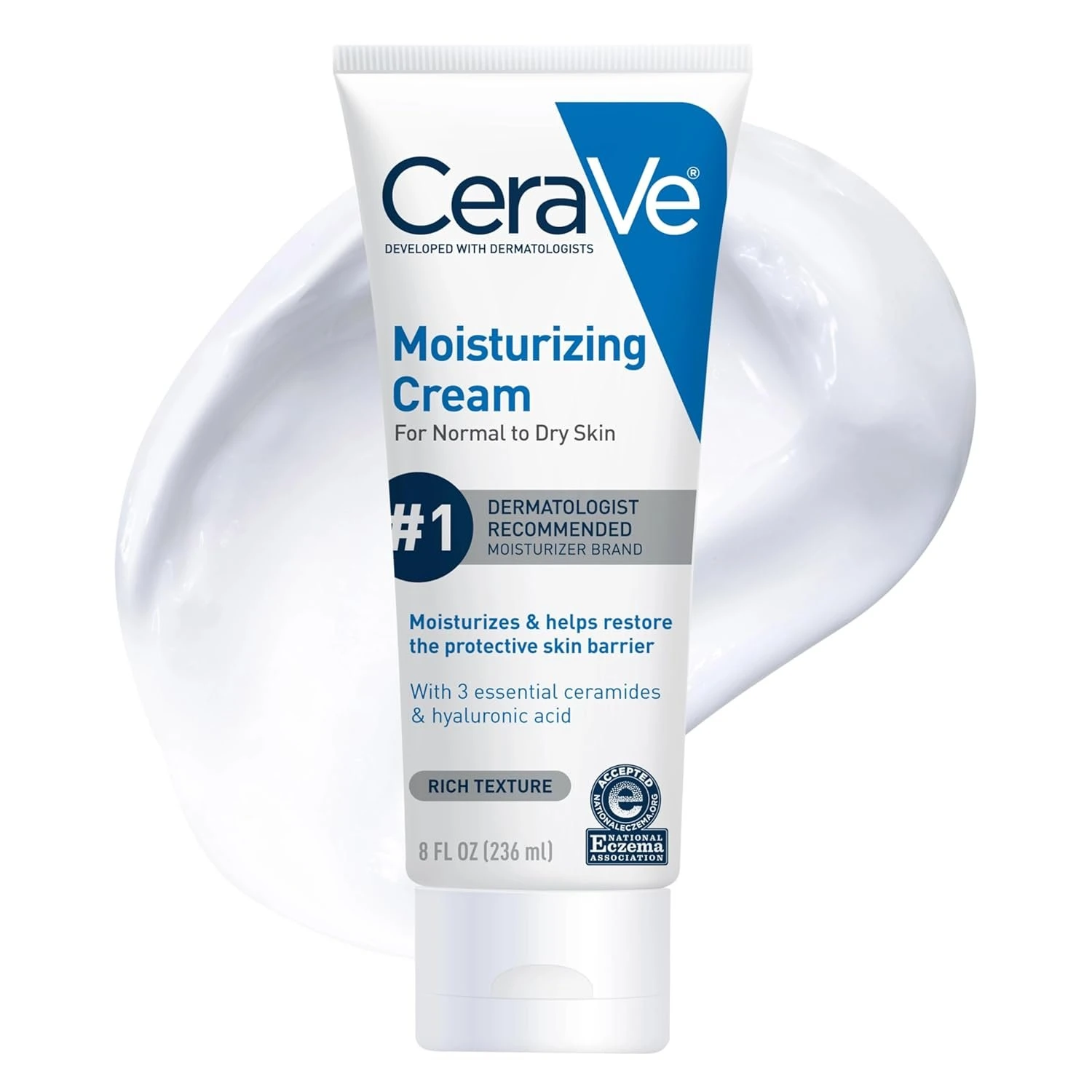
1) CeraVe Moisturizing Cream (Face & Body)
Why it made the list: If you want a reliable “barrier-first” moisturizer that works for very dry skin, this is a classic.
Key features
- Ceramides to support and maintain the skin barrier
- Rich, protective hydration that lasts
- Works for face and body (high value)
Pros
- Great for very dry skin and cold weather
- Simple routine-friendly
- One product can cover multiple needs
Cons
- Can feel heavy for oily areas
- Not everyone loves a tub/jar format
Best for: Very dry skin, winter dryness, barrier repair routines, minimal skincare.
Check Price on Amazon: https://amzn.to/3OCKsVf
Disclaimer: Always patch test new skincare products, especially if you have sensitive or allergy-prone skin.
2) CeraVe PM Facial Moisturizing Lotion
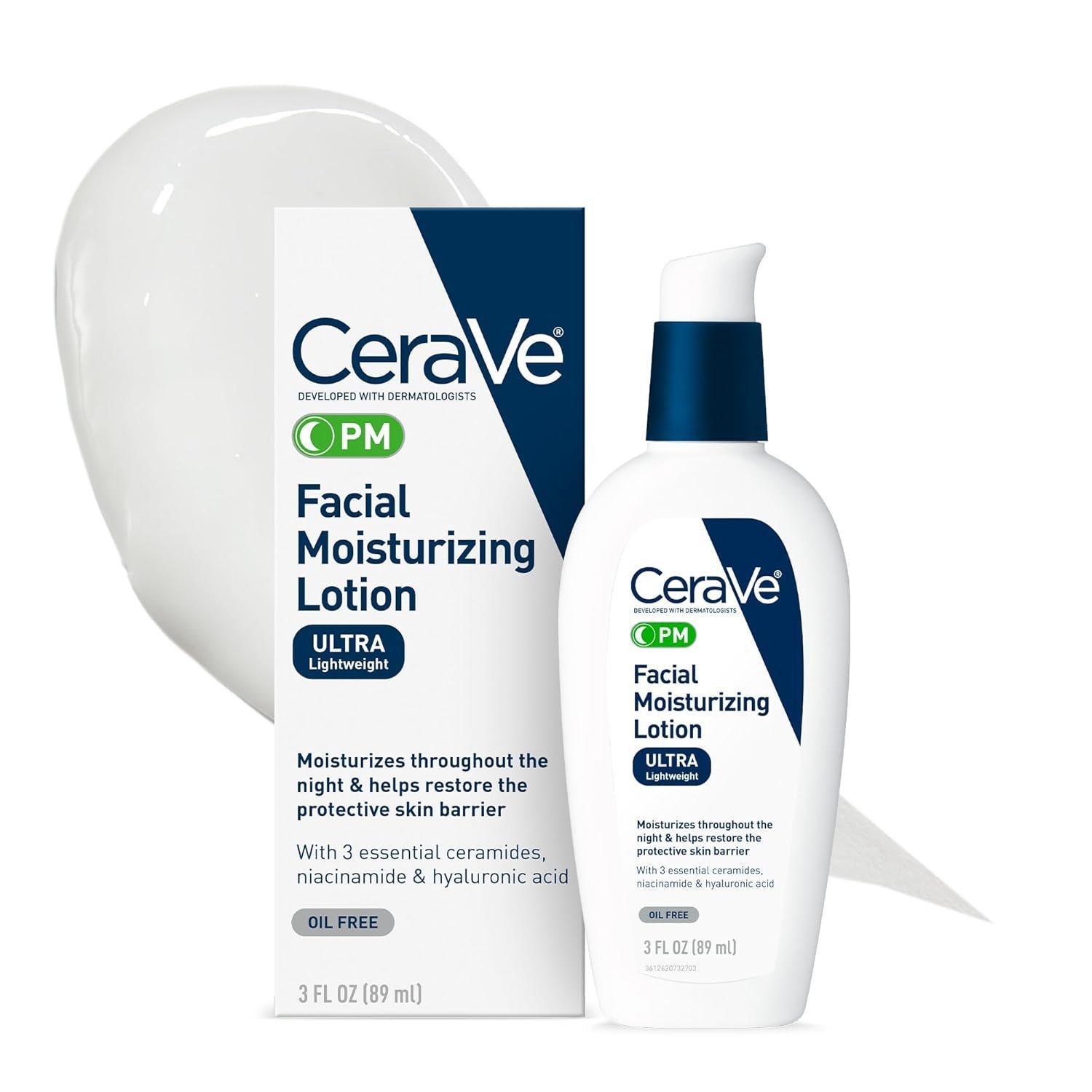
Why it made the list: Lightweight, comfortable, and still supportive—great if thick creams feel “too much” for daily use.
Key features
- Ceramides for barrier support
- Niacinamide to help calm skin
- Layers well under sunscreen and makeup
Pros
- Doesn’t feel greasy
- Easy to use every day
- Good choice for combination skin that still gets dry
Cons
- May not be enough on its own for extremely dry winter skin
Best for: Dry + sensitive skin, combination skin, daily wear, daytime layering.
Check Price on Amazon: https://amzn.to/4ssBjMU
Disclaimer: Patch test and introduce slowly if you’re reactive.
3) Neutrogena Hydro Boost Gel-Cream (Fragrance-Free)
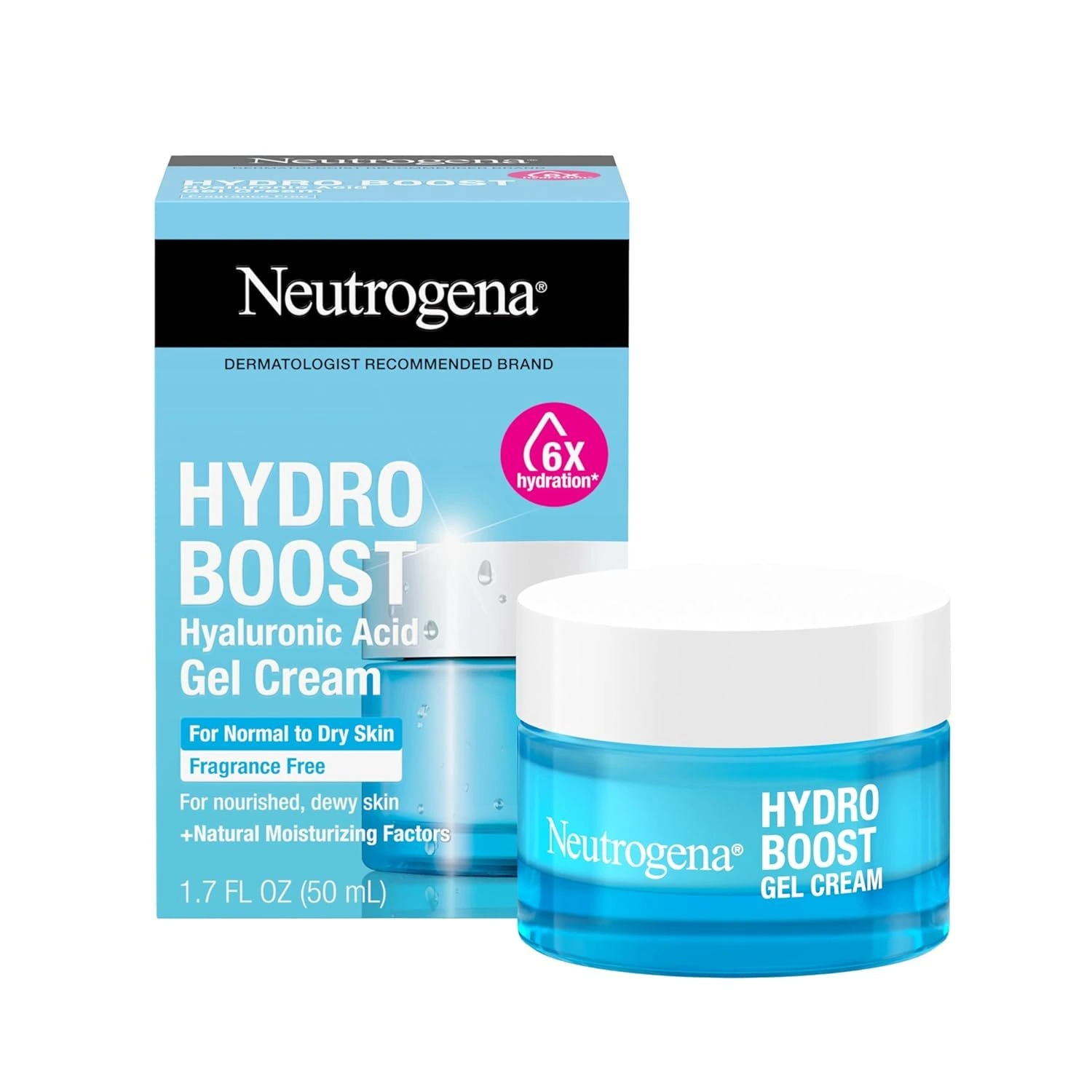
Why it made the list: When your skin is dehydrated (tight, dull, makeup clinging), a gel-cream can be a game-changer.
Key features
- Hyaluronic acid for hydration
- Gel-cream texture that absorbs quickly
- Fragrance-free version is the better option for sensitive skin
Pros
- Great under makeup
- Comfortable in warm climates
- Helps the “tight” feeling of dehydration
Cons
- Very dry skin may need a richer layer on top at night
Best for: Dehydrated skin, people who hate heavy creams, warm/humid weather routines.
Check Price on Amazon: https://amzn.to/4cCXLOx
Disclaimer: If you’re very dry, consider pairing with a richer cream at night.
4) La Roche-Posay Toleriane Double Repair Face Moisturizer
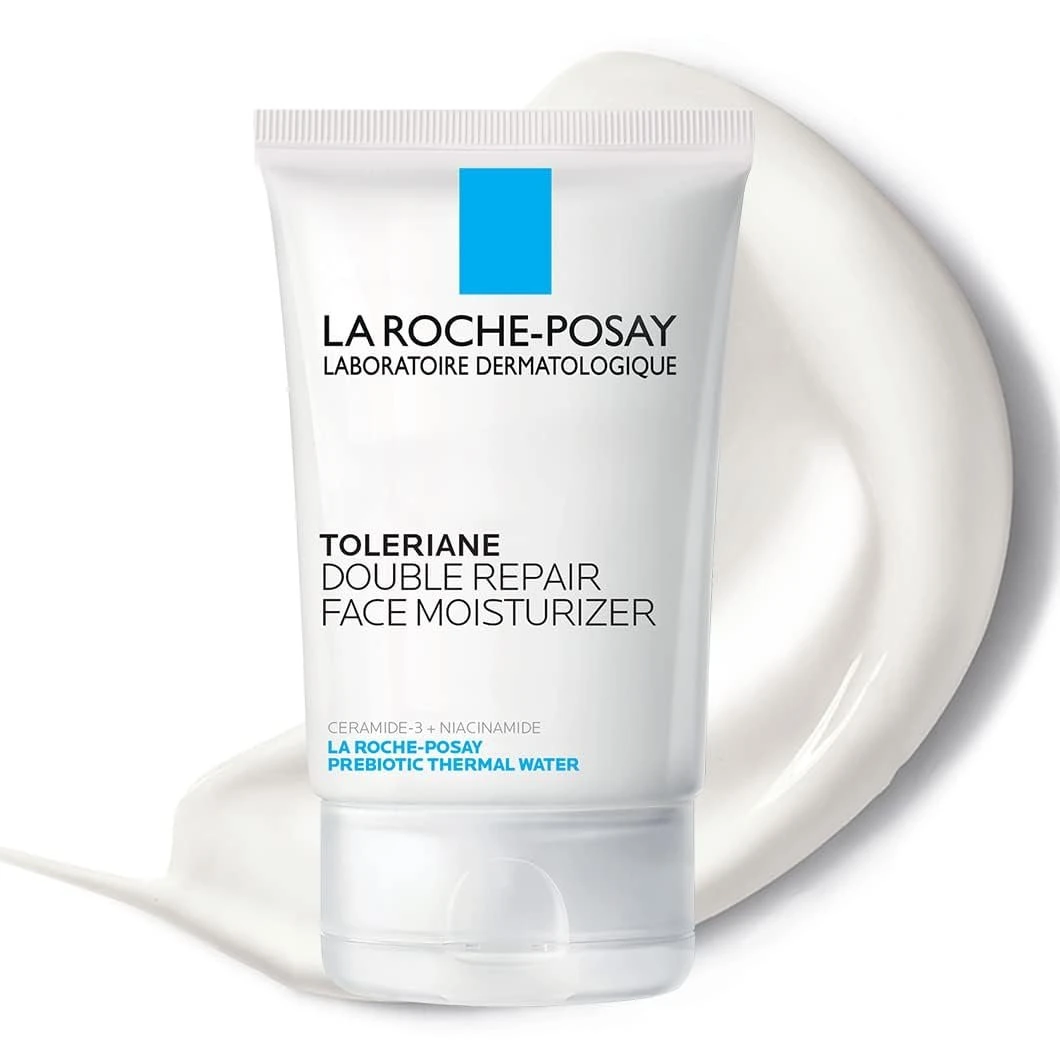
Why it made the list: This is a solid “reset” moisturizer if your skin is dry and also feels irritated or sensitized.
Key features
- Barrier support approach in a wearable texture
- Designed with sensitive skin in mind
- Works well as an everyday moisturizer
Pros
- Gentle and reliable
- Nice daily texture (not too heavy, not too light)
- Great when your barrier feels “off”
Cons
- Might not feel rich enough for severe winter dryness
Best for: Dry sensitive skin, irritation-prone routines, people using actives (carefully).
Check Price on Amazon: https://amzn.to/4mpKZ9p
Disclaimer: If you’re using strong actives, introduce new products one at a time.
5) Vanicream Moisturizing Cream
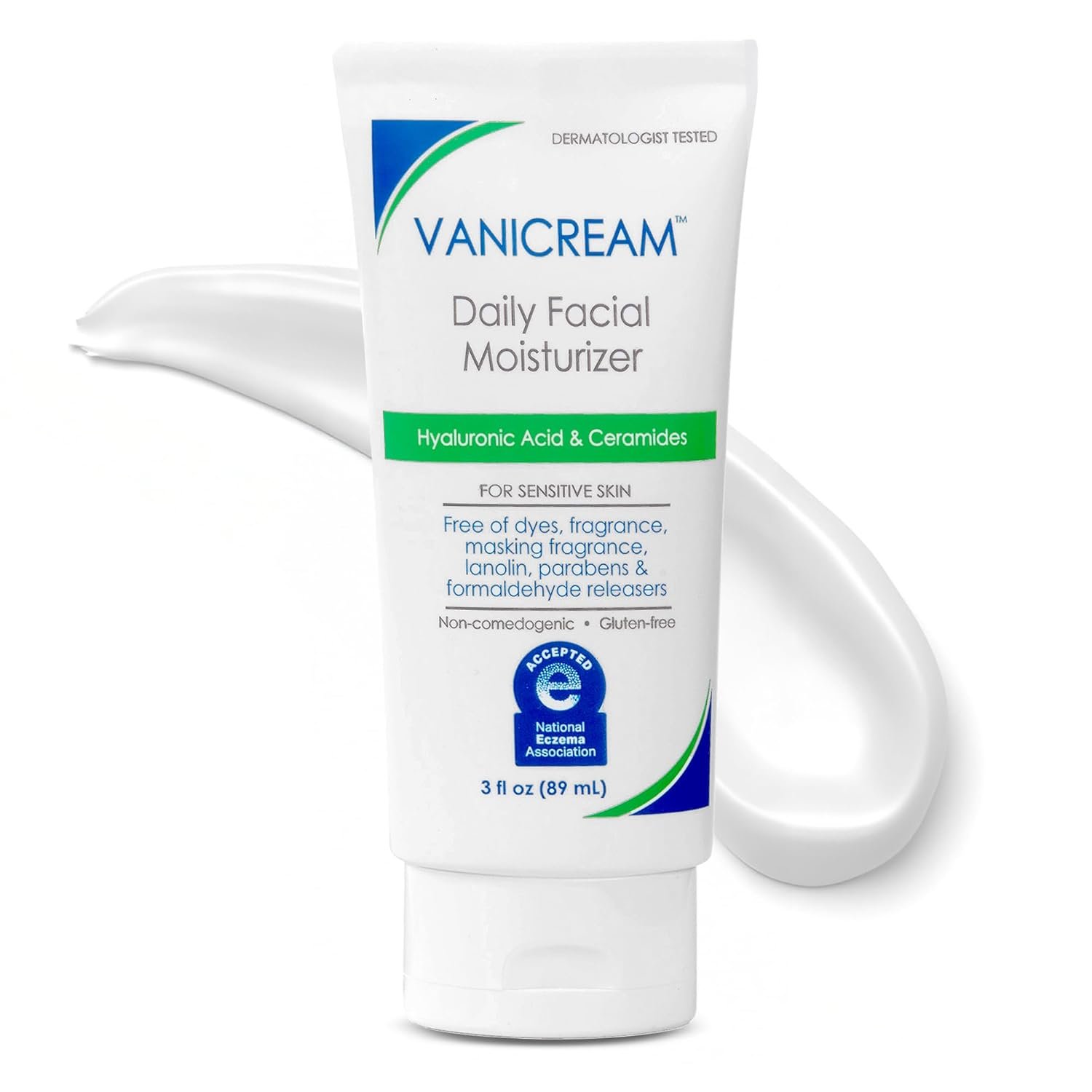
Why it made the list: For people who react easily, “simpler” can be better. This is a popular choice in minimalist routines.
Key features
- Minimalist formula philosophy
- Strong moisture protection
- Often chosen by those avoiding fragrance and common irritants
Pros
- Great for reactive skin
- Strong for dry patches
- Simple routine friendly
Cons
- Can feel heavy for daytime use
- Less “cosmetically elegant” than some lotions
Best for: Very sensitive or reactive skin, fragrance-avoidant routines, winter dryness.
Check Price on Amazon: https://amzn.to/4cfSDi1
Disclaimer: Patch test if you’re prone to reactions.
6) First Aid Beauty Ultra Repair Cream
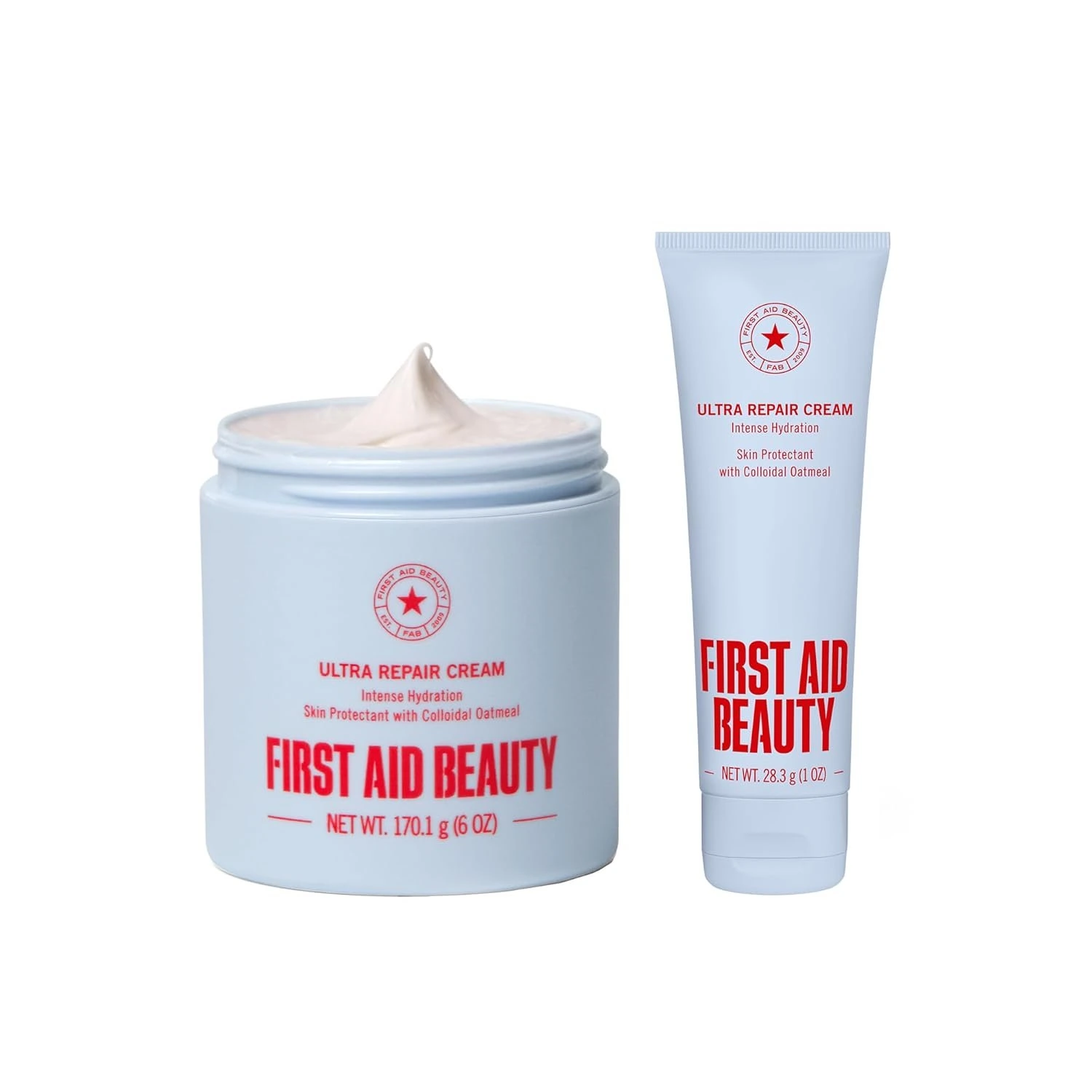
Why it made the list: This one is known for that “instant comfort” feel when your face is rough, flaky, or stressed by cold weather.
Key features
- Rich cream texture that feels soothing
- Great for rough patches and dryness comfort
- Often used as a night moisturizer in dry routines
Pros
- Excellent for winter and flaky patches
- Comforting texture
- Good for rough, tight skin days
Cons
- Can be too rich for some acne-prone users
Best for: Winter dryness, flaky patches, nighttime repair, dry skin comfort.
Check Price on Amazon: https://amzn.to/4vjDJ2Z
Disclaimer: If you’re acne-prone, start with a small amount and monitor.
7) Cetaphil Moisturizing Cream
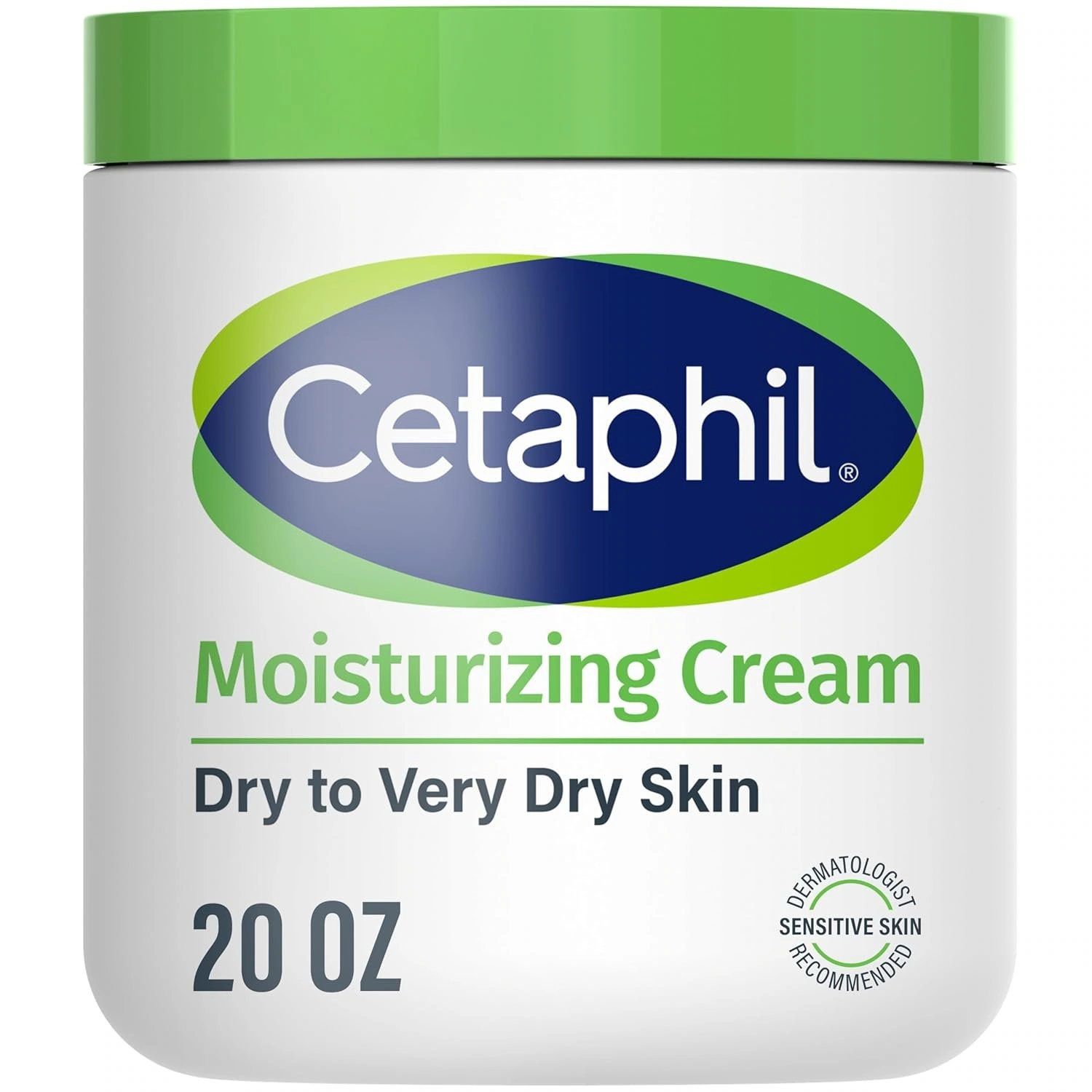
Why it made the list: A straightforward, budget-friendly heavy cream option that many dry-skin users keep around for “when nothing else works.”
Key features
- Thick, occlusive moisture
- Great for very dry areas
- Easy to use in simple routines
Pros
- Good value
- Strong for very dry skin
- Great as a night cream in winter
Cons
- Often too heavy for daytime (depending on your skin type)
Best for: Budget shoppers, very dry skin, nighttime use, cold climates.
Check Price on Amazon: https://amzn.to/4tHALDU
Disclaimer: Always patch test.
Best Use Cases (Pick the Right One Fast)
If you just want a quick decision, use this:
- Very dry + flaky + winter: CeraVe Moisturizing Cream, First Aid Beauty Ultra Repair, or Cetaphil Moisturizing Cream
- Dry but hate greasy feel: CeraVe PM or Hydro Boost Gel-Cream (Fragrance-Free)
- Dry + sensitive/reactive: Vanicream or La Roche-Posay Toleriane Double Repair
- Dry with occasional clogged pores: CeraVe PM in the morning + a richer cream at night only where needed
How to Apply Moisturizer for Maximum Hydration
If your moisturizer “doesn’t work,” the product may be fine—your application method might be the issue. Here’s the simple routine that helps most dry skin:
- Cleanse gently (avoid harsh, stripping cleansers)
- Pat your face so it’s slightly damp, not fully dry
- Apply moisturizer right away
- At night, use a richer layer if you’re very dry
- In the morning, always finish with sunscreen
If your skin is extremely dry, consider using two thin layers instead of one thick layer. Many people find that feels better and pills less under sunscreen.
If you want more routine ideas, you may also like:
FAQ
What is the best face moisturizer for dry skin in winter?
In winter, the best face moisturizer for dry skin is typically a richer cream with humectants (hydration), barrier lipids (ceramides), and a protective occlusive layer to reduce moisture loss. Cold air and indoor heat both dry out skin, so many people do best with a heavier night moisturizer and a lighter daytime layer under sunscreen.
Is hyaluronic acid enough for very dry skin?
Hyaluronic acid helps attract water, but very dry skin usually needs more than hydration alone. Pair it with ceramides and an occlusive moisturizer to prevent water from escaping. If you only use a hyaluronic acid gel without “sealing it in,” your skin can still feel tight—especially in dry climates or winter.
What moisturizer is best for dry sensitive skin?
For dry sensitive skin, choose fragrance-free, gentle moisturizers that support the skin barrier (ceramides are a big plus). Avoid over-layering lots of new products at once. If your skin stings easily, introduce a new moisturizer slowly and patch test, especially if you’ve had reactions in the past.
Can a rich moisturizer clog pores?
Yes, it can—depending on the formula and your skin type. If you’re acne-prone, look for non-comedogenic options and avoid stacking multiple heavy layers during the day. A good approach is a lighter moisturizer in the morning and a richer cream at night only on the driest areas (like cheeks).
Should I use moisturizer before or after sunscreen?
Moisturizer should go before sunscreen. The simplest order is cleanse → moisturize → sunscreen. Let your moisturizer absorb for a minute or two, then apply sunscreen generously. If your sunscreen is very moisturizing, you may be able to use a lighter moisturizer underneath.
Conclusion
If you’re trying to find the best face moisturizer for dry skin, start by focusing on what actually changes dry skin long-term: hydration plus barrier repair. In practice, that usually means a moisturizer with humectants (like hyaluronic acid), barrier-support ingredients (especially ceramides), and enough occlusion to keep moisture from escaping.
For many people, the simplest winning routine looks like this: a lightweight, comfortable moisturizer in the morning under sunscreen—and a richer barrier cream at night. Pick one from the list above that matches your skin type and climate, then use it consistently for a week. Dry skin usually responds best to steady, boring consistency.
Ready to shop? Use the “Check Price on Amazon” links above to see current pricing and availability.