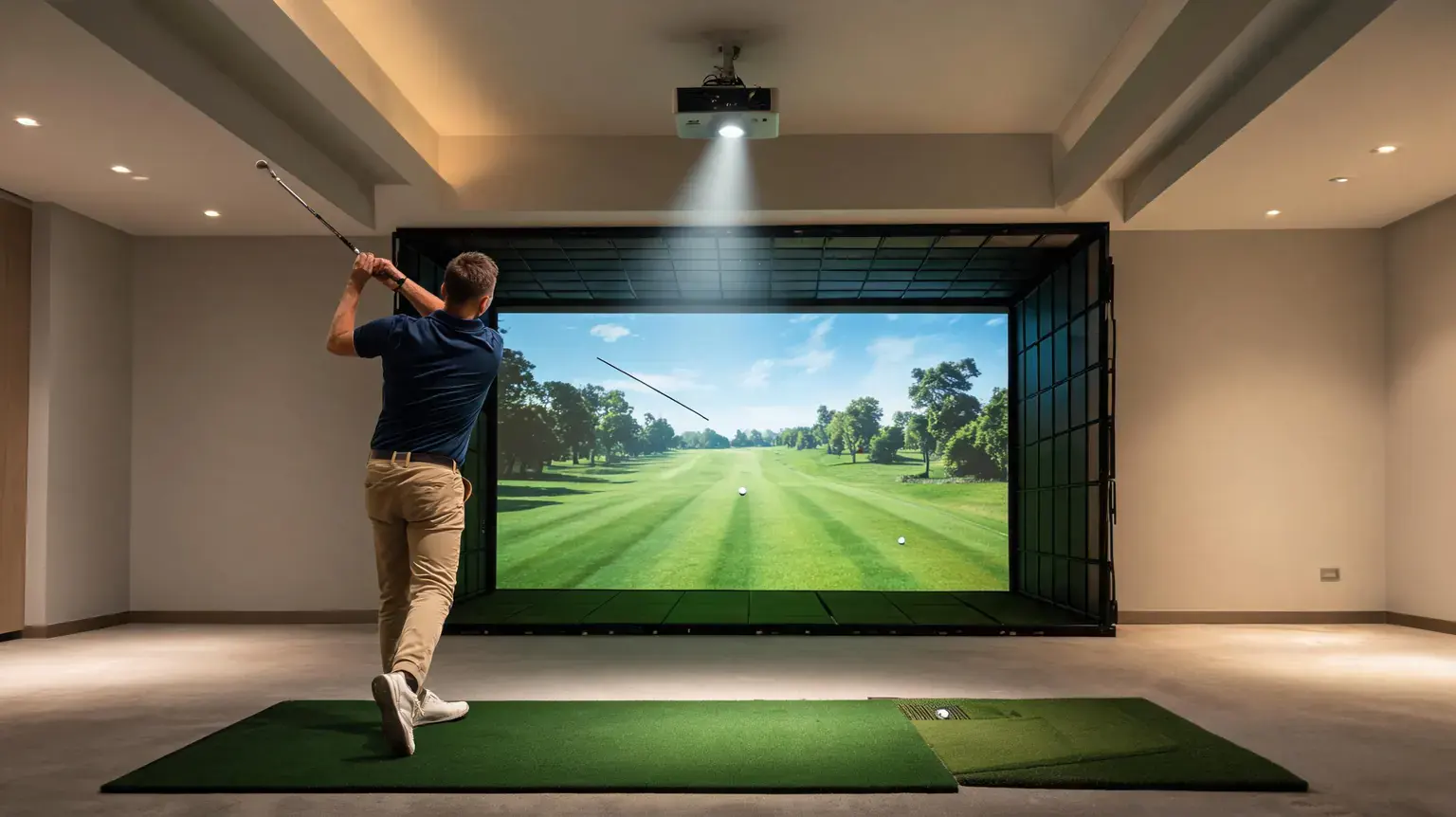
The best golf simulators no longer require a $15,000 commercial install and a room the size of a two-car garage. In 2026 you can put a real, ball-flight-tracking simulator together from an Amazon cart for as little as $630 (launch monitor plus starter enclosure), and a full enclosure-and-projector room lands between $2,000 and $4,000. Every price, stock message and best-seller rank below was pulled live through Amazon’s product API on November 4, 2026, and we ranked the ten builds by what actually improves as you spend more: sensor accuracy first, screen and enclosure durability second, projector brightness last.
Affiliate disclosure: As an Amazon Associate I earn from qualifying purchases. We earn commission from qualifying purchases made through links on this page. This never affects our rankings or what we recommend.
How we picked and tested
This guide is built from three inputs we can stand behind: live Amazon product-API data (buy-box price, list price, stock message and category best-seller rank for all ten picks, pulled 2026-11-04), close reading of the manufacturer spec sheets, and the published testing of the specialists named below. We did not rent a simulator lab or swing at these units ourselves – where a claim depends on hands-on testing, we say whose testing it is. Our how we test page explains the full method and what we do not claim.
Selection rules we applied: every ASIN was verified live and in stock through the API at build time; the brand had to be the first word of the listing title (no squatter listings); only one model per product family per class made the list (one entry Rapsodo, one pro Rapsodo, one portable Garmin, one premium Garmin); and each price tier below is anchored on at least one unit that currently carries a verifiable Amazon best-seller rank. The original Rapsodo MLM – a 2019-era design – is today the highest-charting simulator-capable device we could verify (#1 in Golf Course GPS Units, #17 in Training Equipment), which is exactly why it anchors the budget tier despite being superseded by the MLM2PRO.
American Academy of Orthopaedic Surgeons (OrthoInfo) – golf injury prevention, warm-up and conditioning guidance: orthoinfo.org
MyGolfSpy – independently tested buyer’s guide to complete simulator packages and enclosure sizing: mygolfspy.com
Trackman – radar-based ball-flight measurement explained by the category’s reference maker: trackman.com
GOLF.com – editorial budget-tier overview of the simulator market: golf.com
The 10 best golf simulators at a glance
| Product | Standout spec | Price | Track record | Deal |
|---|---|---|---|---|
 Rapsodo Rapsodo Mobile Launch Monitor Golf Simulator | MLM iPhone & iPad Only | Indoor |
PRACTICE AT THE RANGE OR BACKYARD — Get shot-by-shot feedback anywhere you play: the driving ra | $129.98 |
#1 in Golf Course GPS Units |
In Stock |
 PHIGOLF PHIGOLF Home Golf Simulator, Motion Sensor & 3D Analysis for Practice & Fun | |
HOME GOLF, MADE EASY: Enjoy interactive golf on compatible Android or iOS devices with the Phig | $329.00 |
#70 in Swing Trainers |
In Stock |
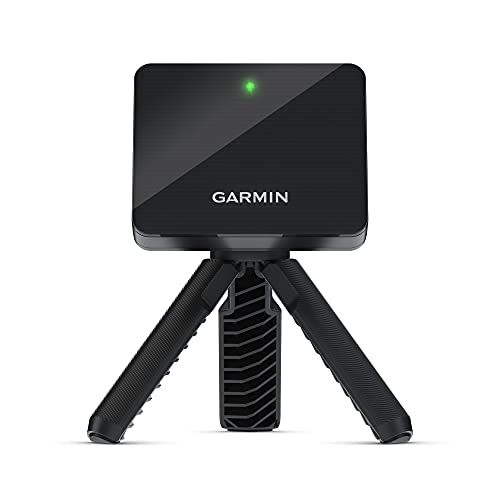 Garmin Garmin Approach R10, Portable Golf Launch Monitor, Take Your Game Home, Indoor |
Work to improve your game at home, indoors or on the driving range with a portable launch monit | $499.99 |
#38 in Swing Trainers |
In Stock |
 Rapsodo Rapsodo MLM2PRO Mobile Launch Monitor Golf Simulator | 3 Chrome Tour Balls | S |
DUAL SHOT TRACK ACCURACY — Doppler radar & dual camera setup ensure reliable data on every shot | $549.98 $699.99 |
#37 in Swing Trainers |
21% OFF In Stock |
 ANYTHING SPORTS Complete Golf Simulator Enclosure Package – 4K-Ready Impact Screen with Blacko |
COMPLETE GOLF SIMULATOR ENCLOSURE — TRAIN WITH CONFIDENCE – Designed for serious golfers who wa | $799.99 |
#20 in Net Systems |
In Stock |
 GoSports GoSports Golf Simulator Enclosure with Impact Screen and Shank Nets – 10 x 8 f |
PREMIUM GOLF SIMULATOR ENCLOSURE SYSTEM: Features heavy duty construction approved by serious g | $749.99 |
#31 in Net Systems |
Only 9 left in stock (more on the way). |
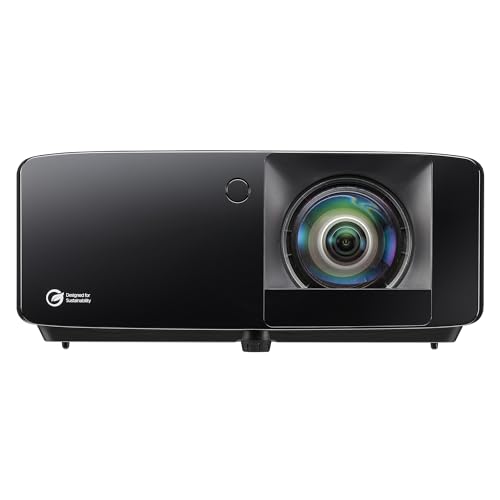 Optoma Optoma GT2400HDR – Full HD 1080p, 4,200 Lumens, Short Throw, Laser, Low Input |
Brightness Of 4200 ISO Lumens | $1,299.00 |
#167 in Video Projectors |
In Stock |
 SkyTrak SkyTrak ST MAX Golf Launch Monitor with 1-Year Software Included |
Includes 1 year of Core Foresight software at no additional cost | $1,695.00 |
#310 in Swing Trainers |
In Stock |
 Foresight Sports Foresight Sports GC2 Golf Launch Monitor | Two Precision Cameras, Full Ball Da |
Meet the All-New Foresight Sports GC2: Tour-trusted precision, now within reach. Experience acc | $1,699.99 |
#287 in Swing Trainers |
In Stock |
 Garmin Garmin Approach® R50, Premium Golf Launch Monitor & Simulator | Colorful 10" T |
Fine-tune your form with this premium launch monitor and simulator that utilizes a 3-camera sys | $4,999.99 |
#299 in Swing Trainers |
In Stock |
Budget picks: $130-$330
Under $350 you are buying data, not simulation. Radar and motion-sensor units in this tier track ball flight or club motion on a phone or tablet, there is no enclosure in the box, and course play either needs a net in front of you or is limited to swing-stick mode. What changes as you cross $500: a real Doppler radar that measures the actual ball, and enough software to play courses instead of just reviewing swings.
One sub-$150 pick is deliberate: the original Rapsodo MLM is the least expensive device on Amazon that tracks real ball flight, and its chart position shows where entry buyers actually land. If you want a single purchase that does everything, skip to the core build tier.
Rapsodo MLM – the entry-lane anchor ($129.98 at Amazon)
The original Mobile Launch Monitor pairs a phone camera with radar processing to produce a shot trace, ball speed and launch data, and it currently sits at #1 in Golf Course GPS Units and #17 in Training Equipment on Amazon’s charts (rank pulled via the product API, 2026-11-04). It is a 2019-era design that has been superseded by the MLM2PRO – which is precisely why it now costs less than a wedges-and-glove impulse buy. It needs an enclosure or net in front of you and a phone mount, and it works best with real balls outdoors or into a screen.
Who should skip it: anyone who wants to play virtual courses on day one – the course simulation belongs to the MLM2PRO generation, and this model is a practice-data device. The recurring complaint pattern for this class of phone-based units is phone-mount fiddling and shorter battery sessions, not measurement accuracy.
Flaws but not dealbreakers: the MLM is iOS-first, the phone mount is a separate purchase, and there is no simulation software in the box – but at $129.98 it is the cheapest honest entry into real ball-flight data, and it holds its chart position for a reason.
PHIGOLF Home Golf Simulator – the screenless lane ($329.00 at Amazon)
PHIGOLF takes the opposite approach: a weighted swing stick with a motion sensor streams your swing into simulator apps on a TV, so it needs no net, no screen and almost no space. It currently ranks #70 in Swing Trainers via the API. For apartments and winter maintenance swings it is the least invasive simulator on this list – and the least accurate, because a motion sensor estimates ball flight from club motion rather than measuring the ball itself.
Who should skip it: mid- and low-handicappers who already own a launch monitor – the PHIGOLF’s value is repetition and tempo in a living room, not dialing in yardages. Its class’s recurring complaint is sensor drift that needs periodic recalibration.
Flaws but not dealbreakers: estimated ball flight only, app-based course play costs extra on top of the unit, and the swing stick is not a real club – but nothing else under $350 turns a hotel room into a practice range.
The core build: $500-$1,000
This is the tier where simulation gets real: a Doppler launch monitor that measures the actual ball, plus a framed enclosure with a true impact screen. MyGolfSpy’s buyer’s guide – which tests complete packages as systems – prices this class’s pre-built equivalents from $599.99 for the R10 alone up to four figures once an enclosure is added; building from the picks below lands a comparable room at meaningfully less. Before any purchase, do what their guide insists on: measure your space first, including swing depth behind the ball and ceiling height at impact – enclosure sizing is the number one regret in this tier.
Garmin Approach R10 – the value radar standard ($499.99 at Amazon)
The R10 is the reason entry simulation collapsed in price: a portable Doppler radar that sits behind you, measures ball and club-head data, records video of every swing, and plays virtual golf through the Garmin Golf app – access to 42,000-plus virtual courses, as MyGolfSpy notes in their testing. It currently ranks #38 in Swing Trainers via the API, it runs on batteries, and it travels in a shirt pocket. For most buyers this is the single best money-to-capability ratio in the category.
Who should skip it: golfers who need photometric precision for club-fitting-grade numbers – radar behind the ball trades some shot-shape accuracy for portability, and Garmin is upfront that it is a value-focused design. MyGolfSpy’s guide priced the R10 at $599.99; today’s API buy-box is $499.99, and that gap is why we always re-price at build time instead of copying another roundup.
Flaws but not dealbreakers: radar accuracy degrades on short chips, full simulation wants a subscription on top of the hardware, and it needs 8-plus feet of ceiling under most setups – but nothing else under $500 measures real ball flight and plays courses.
Rapsodo MLM2PRO – the step-up with real simulation ($549.98 at Amazon)
The MLM2PRO combines a dual-camera array with radar for both ball and club data, adds a genuine simulation mode with 30,000-plus courses, and ships with three Callaway Chrome Tour balls marked for spin capture. It currently ranks #37 in Swing Trainers via the API, one notch above the R10, and today’s buy-box is 21 percent off the $699.99 list. MyGolfSpy’s testing notes the annual software subscription runs $199 on top – budget for it honestly.
Who should skip it: players who never intend to play simulated rounds – if you only want range-mode data, the cheaper MLM or R10 covers it. The recurring complaint pattern for the MLM2PRO class is marked-ball dependency for spin numbers.
Flaws but not dealbreakers: the subscription is effectively mandatory for simulation, spin reads want the included marked balls, and indoor use still demands a net and mount – but it is the cheapest credible bridge from launch data to full course play.
Anything Sports Complete Enclosure – the room in a box ($799.99 at Amazon)
This is the shortest path from a spare wall to a simulator bay: a steel-framed 4K-ready impact-screen enclosure that ranks #20 in Net Systems via the API – the strongest chart position of any enclosure on Amazon we could verify at build time. You hang a projector, add a mat, and the room is done. Screen material is rated for 4K projection, and the frame tension is the difference between a crisp image and a trampoline.
Who should skip it: anyone whose room cannot give up roughly 10 by 8 feet of wall plus swing depth – measure first, per the sizing discipline in the core-build intro. The class’s recurring failure point is screen wear at high clubhead speed near the edges; a slightly oversized frame protects the projection zone.
Flaws but not dealbreakers: no mat, projector or launch monitor included, assembly is a two-person job, and it eats a garage bay – but as a single SKU it removes the most error-prone DIY step in the build.
GoSports Simulator Enclosure with Shank Net – low-stock value ($749.99 at Amazon)
GoSports’s enclosure adds a side shank-net to the standard impact-screen frame, ranks #31 in Net Systems via the API, and carries a stock warning worth acting on: only 9 left at build time. The shank net is the quietly valuable part – it protects drywall from the one bad swing every owner eventually throws.
Who should skip it: buyers who want the tallest projection area – at this price the screen is sized for mid-range builds, and home-theater-grade 4K setups will want more pixel real estate.
Flaws but not dealbreakers: stock is thin (9 units at build time), the frame is lighter-duty than the Anything Sports bay, and a mat is still extra – but the shank net alone justifies the crossgrade for garage rooms with close walls.
The complete simulator room: $1,300-$2,000
At this tier you stop assembling and start installing: a laser short-throw projector plus a photometric or dual-camera launch monitor. The projector is where budget builds quietly fail – a 2,200-lumen generic unit washes out the moment a garage door window leaks daylight, while the 4,200-lumen laser class below holds contrast in a lit room. GOLF.com’s market overview makes the same structural point: Foresight’s camera systems gather shot data within one and a half feet of impact, which is what lets a photometric unit live in rooms a radar cannot.
Optoma GT2400HDR – the projector most rooms actually need ($1,299.00 at Amazon)
A 4,200-lumen 1080p short-throw laser projector ranks #167 in Video Projectors via the API – and in a simulator the short throw is not a luxury: mounted near the screen, it keeps your shadow out of the fairway. Amazon’s budget lane sells 2,200-ANSI golf-branded units around $499; the 4,200-lumen laser class is the specific point where paying more stops buying a compromise, because ambient light stops owning your image.
Who should skip it: dedicated dark-room builds – if your simulator lives in a windowless basement, a cheaper 3,000-lumen lamp unit (BenQ’s classic TH671ST, $849) does the same job. The class complaint is laser-unit fan noise in quiet rooms.
Flaws but not dealbreakers: no golf-specific mount in the box, 1080p rather than 4K, and the fan is audible at idle – but it is the brightness class that makes daytime garage sims watchable.
SkyTrak ST MAX – photometric with software included ($1,695.00 at Amazon)
SkyTrak’s ST MAX is a camera-based launch monitor that captures the ball at impact – the photometric approach that GOLF.com’s overview describes for the Foresight class – and the ST MAX ships with a full year of software included, which is the historically painful cost this category never bundles. It ranks #310 in Swing Trainers via the API.
Who should skip it: lefty-righty shared setups – photometric units sit beside the ball and are one-sided by design; radar behind the ball handles both. The class complaint pattern is lighting sensitivity in dim rooms.
Flaws but not dealbreakers: needs bright, even lighting at the ball, the one-year software inclusion eventually becomes a subscription decision, and it sits beside the hitting zone – but it is the cleanest all-in price for photometric accuracy plus course play.
Foresight Sports GC2 – the two-camera benchmark ($1,699.99 at Amazon)
The GC2 uses two precision cameras for full ball data and is the unit that defined the photometric standard the rest of this tier chases. Foresight’s whole line gathers shot data within roughly a foot and a half of impact, per GOLF.com, which is why it works in spaces where a radar’s 12-plus feet of depth simply does not exist. It ranks #287 in Swing Trainers via the API. MyGolfSpy’s guide prices Foresight’s pre-built GC3 studio packages at $14,995; buying the GC2 unit and building the room yourself from the enclosure and projector picks above is the arbitrage this tier exists for.
Who should skip it: buyers who want club-path data out of the box – ball-first photometric means club metrics arrive via add-on hardware at real cost.
Flaws but not dealbreakers: club data costs extra, it wants consistent indoor lighting, and the ceiling on simulation software is a separate line item – but for pure ball-flight truth in a small room, the two-camera design remains the reference.
No-compromise: the $5,000 all-in-one
Garmin Approach R50 – a launch monitor with a simulator inside ($4,999.99 at Amazon)
The R50 folds a 10-inch touchscreen, three-camera ball and club tracking, and built-in course play into one unit – no phone, no tablet, no separate PC for the basics. It ranks #299 in Swing Trainers via the API, and it is the only device on this list that is a complete simulator before you add a single accessory. Pair it with the enclosure and projector picks above and you have a room with no app juggling.
Who should skip it: everyone who has not already exhausted the $500-$2,000 tiers – the R50’s convenience premium over an R10-plus-enclosure room buys integration, not better golf data. The class complaint is the price: this is used-car money for a practice tool.
Flaws but not dealbreakers: $4,999.99 before any enclosure, the touchscreen is the whole interface if you skip the app ecosystem, and it is more device than most rooms need – but nothing else on Amazon is this self-contained.
Where we disagree with the big testers
MyGolfSpy’s buyer’s guide ranks complete packages – the SkyTrak SIG10 at $8,449.99 and Rapsodo’s studio enclosure at $8,199.99 top their tested list – and for a turnkey, one-warranty purchase, their rankings deserve their reputation. We rank cart-able components instead, and that changes the math: an R10 ($499.99) plus the Anything Sports enclosure ($799.99) plus the Optoma GT2400HDR ($1,299) plus a mid-tier mat lands near $2,600-$3,600 for the same room class the prebuilt kits sell at $8,200-plus. What you give up is single-vendor support and a tested integration – a real cost, and we say so honestly rather than pretending the DIY path is free of risk. The second disagreement is procedural: MyGolfSpy’s guide carries R10 package pricing from $599.99; our API buy-box check on 2026-11-04 found $499.99. Package pricing moves weekly in this category – which is why every number on this page is a dated snapshot, not a copied figure.
Spec claims that deserve a reality check
Radar versus photometric. Doppler radar (Garmin R10/R50, Rapsodo) measures the ball in flight from behind; photometric cameras (SkyTrak, Foresight GC2) photograph it at impact from the side. Radar wants depth – a serious driver swing needs room behind and in front – while photometric wants light and sits beside the ball. Trackman’s own material treats radar ball-flight tracking as the category’s reference measurement; the budget-tier claim to treat skeptically is any motion-sensor unit marketing “ball flight” it never sees.
Lumens. Projector brightness is the most fudged spec in the niche: 2,200-lumen units are sold as “golf simulators’ best friend,” but a screen that shares a room with a window needs the 4,200-lumen laser class to hold contrast. ANSI lumens and marketing lumens are not the same unit – the 4,200 figure on the Optoma is ANSI; generic listings rarely say.
Your body and your room. The AAOS’s golf injury-prevention guidance recommends a 5-to-10-minute warm-up with practice swings before play – which matters more, not less, when your “first tee” is ten steps from your desk, and cold winter swings into a screen are how elbows and shoulders get hurt. Measure ceiling height at your actual impact position, not at the room’s center, and give the enclosure’s screen a foot of clearance behind the ball line.
Best-seller ranks. Entry devices own the volume charts – the original MLM’s #1 in Golf Course GPS Units reflects price-point volume, not superiority over the MLM2PRO. We cite ranks as chart positions pulled on a date, never as quality verdicts.
Who should NOT buy a golf simulator yet
Renters with deposit money on the line. An enclosure needs wall anchors or ballast, a projector needs a ceiling mount, and a shanked iron into drywall is a real invoice – the shank-net-equipped GoSports enclosure exists precisely because of this failure mode.
Anyone with less than about 8’6” of ceiling at impact. A driver swing needs more clearance than most spare rooms give; measure your actual swing height with a friend and a tape before buying anything in this guide. A motion-stick unit like the PHIGOLF is the only safe lane below that ceiling.
Golfers who will not pay subscriptions. The honest software bill for full course play runs $100-$250 a year on most platforms in this category – if that number changes the purchase, buy practice-data hardware only and skip simulation marketing claims.
Beginners with a $130 budget and no net. A ball-flight tracker without somewhere to hit is a paperweight; if the choice is between the MLM and a series of real lessons, the lessons win – a simulator refines a swing you already own.
FAQ
How much room does a golf simulator need? Plan for roughly 10 feet wide, 15 feet deep and 8’6”+ of ceiling at impact for a driver-friendly enclosure build; measure your actual swing, then match the enclosure’s listed dimensions before ordering. The sizing-first discipline is the single most repeated instruction in MyGolfSpy’s buyer’s guide.
Do I need a projector, or is a TV enough? A TV is the honest budget answer – it removes the entire projector line item and works fine with every launch monitor on this list. The projector earns its cost only when you want the ball flying across a floor-to-ceiling screen.
Can a $130 simulator actually help my game? Yes, narrowly: the original Rapsodo MLM gives real ball speed, launch and shot-trace feedback, which beats guessing. It does not give course play, spin detail or club data – that is what the rest of the budget ladder buys.
Will a simulator fix my slice? A simulator shows you the shot; it cannot correct your grip. The AAOS guidance frames practice around warm-up and conditioning, and most teaching pros will tell you the same: data without drills just documents the slice. Use the sim to verify the fix your lessons prescribe.
If we were building one room today with an Amazon cart: Garmin R10, the Anything Sports enclosure and the Optoma GT2400HDR – a real radar, a real screen and real brightness for about $2,600 before the mat. Already own the sim and just want the golf side sharpened? Our best golf launch monitors guide covers the measurement-only lane, and the best golf rangefinders guide covers the other half of your bag’s data problem.