The best backpacking tents you can actually buy on Amazon in 2026 run from a $39.99 chart-topping hybrid to an $800 four-season shelter, and the price ladder has almost nothing to do with whether it keeps rain out — it buys packed weight, pole engineering, and storm margin. We pulled live pricing on eight two- and three-person designs across every style (checked October 25, 2026), mapped what owners report failing on each class, and ranked them for real trail use. The surprise: the highest-charting backpacking-specific tent on Amazon costs $39.99, and for weekend fair-weather trips it is a legitimate choice.
Affiliate disclosure: As an Amazon Associate I earn from qualifying purchases. We earn commission from qualifying purchases made through links on this page. This never affects our rankings or what we recommend.
What’s on this page
- How we chose these tents
- The eight picks at a glance
- The chart anchor: Night Cat 1-2 person
- The picks, from $40 to $800
- Capacity truth: the two-person tent rule
- Three price tiers: where money stops buying performance
- Three-season vs. four-season: what the label means
- What owners keep complaining about
- Where we disagree with the big testers
- Pitch, care, and packing notes
- FAQs
How we chose these tents
Full disclosure, as spelled out in how we test and choose products: we have not thru-hiked with all eight of these. Every price, stock state, and chart position in this guide was pulled live from Amazon’s product API on October 25, 2026; each tent’s stated specs come from its listing data; and the design judgments lean on testers who did buy and pitch these shelters themselves — OutdoorGearLab’s 13-tent side-by-side (updated October 23, 2026), Switchback Travel’s running rankings, and SectionHiker’s ultralight field notes. Owner-complaint patterns come from public review data, and the cold-safety section is grounded in peer-reviewed literature rather than marketing. Where we could not verify a claim, it did not make the page.
Key sources
• OutdoorGearLab — bought-and-tested 13-tent comparison, updated October 23, 2026; source for the weight-versus-comfort tradeoffs.
• Switchback Travel — long-running backpacking tent rankings; source for the premium ultralight lane.
• SectionHiker — ultralight and winter-hiking specialist; source for cold-season shelter practice (see its winter layering guides).
• Journal of Therapeutic Hypothermia and Temperature Management (PubMed) — the J-Point registry study on indoor vs. outdoor hypothermia mortality.
The eight picks at a glance
| Product | Standout spec | Price | Track record | Deal |
|---|---|---|---|---|
 Night Cat Night Cat Backpacking Tent for One 1 to 2 Persons Lightweight Waterproof Campi |
【Protect Your Hands】 Night Cat backpacking tent (ZP-10) uses the upgraded fiberglass pole that | $39.99 $49.99 |
#4 in Tents |
20% OFF In Stock |
 Kelty Kelty Grand Mesa 2P Backpacking Tent – Lightweight 2 Person Camping Tent | Fre |
BUILT FOR 2 + BUILT FOR THE TRAIL: Lightweight 2 person backpacking tent with 30 sq. ft. of int | $149.95 |
#119 in Tents |
In Stock |
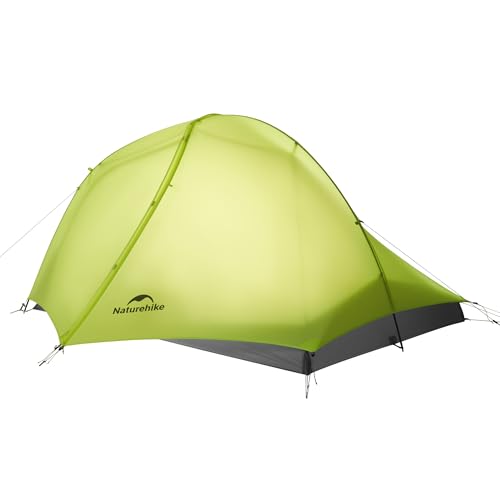 Naturehike Naturehike Star Trail Ultralight Backpacking Tent, 2.3lb One Person Tent, 2.76 |
【Ultralight Two-Person Tent】Engineered for minimal pack burden, this tent weighs only 2.76 lbs | $159.00 |
#122 in Tents |
In Stock |
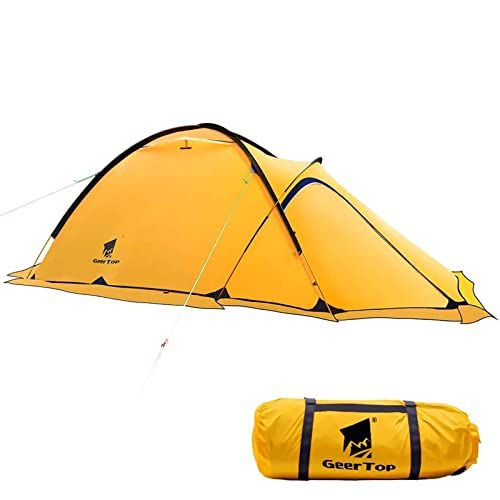 GEERTOP GEERTOP Waterproof 2 Person 4 Season Freestanding Backpacking Tent | Alpine-Re |
Weather Every Storm with Confidence: Unexpected mountain storms shouldn't end your adventure. B | $176.99 |
#460 in Tents |
In Stock |
 ONETIGRIS OneTigris Stella 4 Season Camping Tent Backpacking 2 Person Waterproof Lightwe |
Lightweight and Durable: The OneTigris STELLA Camping Tent features a lightweight and durable 2 | $209.98 |
#74 in Tents |
In Stock |
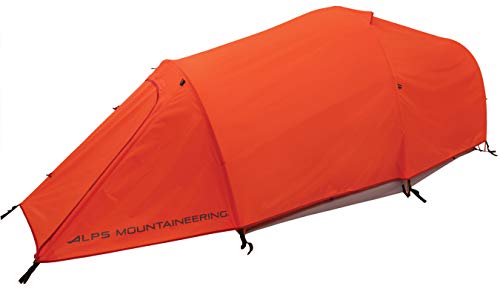 ALPS Mountaineering ALPS Mountaineering Tasmanian 3 Person Tent – Orange/Gray |
4 Season Tent: Full coverage fly, weatherproof shock cord aluminum poles, 5000mm coating on ten | $299.99 |
#944 in Tents |
In Stock |
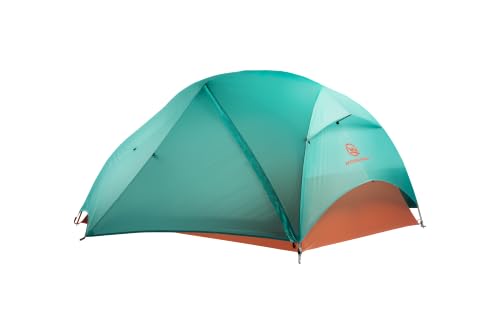 WINDQUESTER WindQuester UL Ultralight Backpacking Tent for 2 Person Camping | Lightweight |
Ultralight & Freestanding: Windquester backpacking tent weighs just 1.27kg (2.80 lbs), 2 person | $369.00 |
#936 in Tents |
In Stock |
 MSR MSR Access 2-Person Lightweight 4-Season Tent | Lightweight Access 2 tent with |
Easton Syclone poles are made with advanced composites to resist breaking in the most challengi | $799.95 |
#1420 in Tents |
Only 5 left in stock (more on the way). |
The chart anchor: Night Cat 1-2 person
The Night Cat Backpacking Tent for One to Two Persons is the current #4 Best Seller in Tents and the highest-charting backpacking-specific design on Amazon’s chart — the top three slots are family-camping domes. At $39.99 (20% off its $49.99 list, checked October 25, 2026), it is the cheapest shelter in this guide by a wide margin, and its popularity is easy to explain: a sub-5-pound hybrid with a real rain fly, sold at the price of a decent sleeping pad.
What we like: unbeatable entry price for occasional hikers; genuinely light for its class; packs small enough for a daypack lid; thousands of buyers have stress-tested it.
Who should NOT buy this: anyone taking it into real wind, sustained rain, or winter. This is a fair-weather three-season shelter with budget hardware — pushing it past that envelope is how cheap tents earn their reputation.
Flaws but not dealbreakers: the recurring negative-review theme on sub-$50 hybrids is hardware, not fabric — pole ferrules working loose and zipper snags lead the complaints. Carry a spare pole sleeve repair sleeve and treat the zipper gently, and it does the job it was sold for.
The picks, from $40 to $800
Ranked by how much trail function each dollar buys, not by weight or brand prestige. All prices and stock states verified live on October 25, 2026.
2. Kelty Grand Mesa 2P
The Kelty Grand Mesa 2P at $149.95 is the durability pick: a freestanding two-door dome from a six-decade-old American brand, the kind of tent rental fleets and scout troops buy precisely because it survives users who never read the manual. It is the heaviest design philosophy in this guide — fabric and pole margin over grams — and at $149.95 that margin is cheap insurance for a decade of weekend trips. Check current price on Amazon →
What we like: freestanding pitch with two doors; brand track record measured in decades; forgiving of rough sites and first-time pitchers.
Who should NOT buy this: gram-counters and anyone carrying it more than a few miles — this is a trailhead-to-site tent, not an alpine-start ultralight.
Flaws but not dealbreakers: the class-wide complaints apply: budget zippers benefit from care, and the stock stakes are functional rather than excellent. Owners who upgrade to better stakes report the body itself outlasts the accessories.
3. Naturehike Star Trail ultralight
The Naturehike Star Trail at $159.00 is the weight pick: 2.3 pounds as listed, which until recently was a $500-plus big-brand price territory. Naturehike spent a decade dragging Chinese ultralight engineering down the price curve, and the Star Trail is the current expression: a double-wall two-person shelter that gives dedicated weight-cutters 80 percent of the premium experience at a third of the money. Check current price on Amazon →
What we like: 2.3 lb listed packed weight — the lightest pick in this guide; double-wall, so less single-wall condensation misery; sub-$200 ultralight lane nobody was offering five years ago.
Who should NOT buy this: first-time campers who pitch carelessly — ultralight floors and thin fabrics punish rocky sites and rough stuffing.
Flaws but not dealbreakers: the ultralight trade is durability margin: carry a footprint, clear the site, and expect the floor coating to be the first thing to age. Owners report zippers and seam tape as the watch items, exactly as with premium UL tents — just sooner.
4. GEERTOP 2-person 4-season freestanding
The GEERTOP at $176.99 is the budget four-season pick: a freestanding, double-wall, four-season-labeled two-person shelter that costs less than most premium three-season tents. The pole geometry and full-coverage fly are what separate it from fair-weather hybrids — this is the cheapest tent in the guide we would carry into late-fall shoulder-season trips. Check current price on Amazon →
What we like: four-season features at a three-season price; freestanding hub pitch; double-wall with a full-coverage fly for snow and rain.
Who should NOT buy this: genuine mountaineering use — budget 4-season means stronger-than-average, not expedition-grade.
Flaws but not dealbreakers: the honest trade is weight and packed bulk: you carry the storm margin even in July. Budget-model vents also tend to leak in driving sideways rain per owner reports, so seal-check the fly seams before a big trip.
5. OneTigris Stella 4-season
The OneTigris Stella at $209.98 is the bushcraft-adjacent pick and the current #74 best seller in Tents — a four-season two-person backpacking tent from a brand that built its name on rugged tarps and military-inspired gear. It splits the difference between the GEERTOP’s budget storm protection and the ALPS’ room: lighter, steeper-walled, and tuned for users who expect weather rather than fear it. Check current price on Amazon →
What we like: four-season design at a mid-tier price; strong chart position for a specialist brand; storm-stable profile.
Who should NOT buy this: anyone who wants instant pitching — the steeper geometry takes more fiddling than a hub dome.
Flaws but not dealbreakers: owners of this class most often flag setup learning curves and guy-line quality; both are one-evening fixes with better guylines and a dry-run pitch in the yard before the trip.
6. ALPS Mountaineering Tasmanian 3P
The ALPS Mountaineering Tasmanian at $299.99 is the room pick: a three-person, four-season-class tent with the wide vestibules and pole structure that basecamp-style loads reward. For two people carrying real packs — winter gear, dog, camera equipment — the extra volume is the feature, and ALPS’ warranty reputation is part of the price. Check current price on Amazon →
What we like: three-person volume for two-plus-gear trips; storm-oriented design with generous vestibules; brand known for standing behind its products.
Who should NOT buy this: backpackers counting ounces — you are paying for volume and margin, and both weigh.
Flaws but not dealbreakers: the pattern at this weight class is packed bulk rather than failure: owners advise checking vestibule stake points in wind and re-tensioning after the first night’s settle.
7. WindQuester UL 2-person
The WindQuester UL at $369.00 is the premium-ultralight lane on Amazon’s shelf: a two-person ultralight built for the crowd that measures gear in grams-per-night. It sits in the band that cottage-brand DCF tents own at $600-plus, which is exactly why it earns its slot — the same design language, a real retail channel, and return coverage. Check current price on Amazon →
What we like: genuine ultralight engineering with mainstream retail support; the $369 band undercuts cottage DCF by hundreds.
Who should NOT buy this: brand-loyalists who want a legacy warranty network — WindQuester is a newer name with a smaller review base, and that risk is part of the discount.
Flaws but not dealbreakers: as with every newer ultralight brand, the review history is thin; buy inside the return window, pitch it twice at home, and stress the seams before you commit it to a thru-season.
8. MSR Access 2-person
The MSR Access at $799.95 is the buy-it-for-a-decade pick: a true lightweight four-season shelter from the brand whose expedition tents set the category. The Access line is MSR’s answer to skiers and winter campers who need genuine storm capability without carrying a 10-pound expedition dome — and it is the only tent here backed by a company with a decades-long repair-and-parts program. Stock was tight at check time (five units, more on the way), which is normal for MSR’s channel on Amazon. Check current price on Amazon →
What we like: real four-season engineering from the most trusted name in mountain shelters; lightweight for its class; parts and repair support measured in decades.
Who should NOT buy this: three-season users — this is $800 of storm margin that summer weekenders will never spend their way into appreciating.
Flaws but not dealbreakers: the price is the flaw, and it is a fair one: the Access costs as much as the rest of the top five combined. The pole stress points and zipper care that apply to any tent apply double when the tent is this good for this long.
Capacity truth: the two-person tent rule
A rated two-person tent fits one person plus gear comfortably. That is the industry’s open secret: ratings assume wall-to-wall sleeping bags and zero gear. If two humans will actually sleep in it, either size up (the Tasmanian 3P above is the classic answer) or accept elbows-in-floorplans. Floor areas in the listings run roughly 28–31 square feet for most 2P designs — compare them, not the marketing names.
Packed weight is a per-person decision, not a per-tent one. Split a 4.5-pound two-person shelter two ways and each hiker carries 2.25 pounds — ultralight territory. Carry it solo in a 1P and the whole 4 pounds is yours. This is why the two-person-plus-split strategy dominates budget backpacking, and why the Night Cat’s hybrid 1–2 person design sells so well despite its hardware. Peak height matters more than floor numbers for anyone who actually sits up: near-vertical walls (the hub-domes here) buy usable space; sloped A-frame walls buy a low profile and a claustrophobic evening. And pitch everything with all guylines out the first time — the difference between a tent surviving a night of wind and becoming a kite is usually the two stake points nobody bothered with.
Three price tiers: where money stops buying performance
Under $100 (the Night Cat class): you are buying fair-weather function. Coatings keep drizzle out; hardware is the weak link; storm margin is thin. Per-season cost is unbeatable for a hiker who camps three nights a year. $150–$300 (Kelty, Naturehike, GEERTOP, OneTigris, ALPS): the value core. This is where aluminum pole engineering, double-wall ventilation, and real four-season options appear — and where per-year cost bottoms out for anyone camping ten-plus nights. The jump from $160 to $300 buys volume, storm margin, and warranty muscle, not rain protection. Above $350 (WindQuester, MSR): you are paying for grams and engineering lineage. The WindQuester buys sub-3-pound livability; the MSR Access buys storm margin that outlives its owner’s knees. Past roughly $800, only expedition-grade hardware buys more — and that is gear for a sport most buyers of this page are not doing. That is the point where paying more stops buying performance and starts buying certification badges.
Three-season vs. four-season: what the label actually means
Three-season means optimized for spring-to-fall: maximum mesh for airflow, minimal fly coverage, poles sized for rain and gusts — not snow. Four-season means more poles or thicker diameters, full-coverage flies that reach the ground, less mesh, and geometry that sheds load. It does not mean warm: four-season tents ventilate worse and condensate more in mild weather. Why it matters: a Japanese national registry study of accidental hypothermia (J-Point, Therapeutic Hypothermia and Temperature Management, 2020) found outdoor-onset cases carried markedly higher mortality than indoor ones — in the backcountry, the shelter you carry is first-aid equipment. SectionHiker’s winter coverage drills the same pairing from the practice side: shelter plus insulation layers, not either alone. The practical rule: if you will camp below freezing or in exposed wind, the four-season class above (GEERTOP, OneTigris, ALPS, MSR) is the line item that earns it; if you will not, the extra weight is pure tax.
What owners keep complaining about
Per style, because that is where the patterns actually cluster. Budget hybrids (under $60): hardware — pole ferrules, zipper sliders — leads, followed by seam tape aging after a couple of seasons. Mainstream domes ($100–$200): stock stakes and guyline quality, plus the perennial condensation complaint that traces to closed vents rather than fabric failure. Ultralights: durability margin — thin floors want footprints, and impatient stuffing finds every weakness; zipper wear arrives earlier by design compromise. Four-seasons: weight and bulk complaints dominate, plus budget-model vestibule seams leaking in horizontal rain. The meta-pattern across all eight: almost nothing fails waterproof-first. It fails hardware-first, which is why a $12 pole repair sleeve and a careful zipper hand outlast any coating.
Where we disagree with the big testers
OutdoorGearLab’s 2026 testing — and we say this with genuine respect for a buy-and-pitch methodology stronger than ours — puts the REI Co-op Half Dome 2 first for new backpackers and Big Agnes’ Copper Spur line at the premium. Our list includes neither, and not by oversight: REI Co-op and Big Agnes sell through their own channels, not Amazon’s shelf, so their prices here are reseller markups on inventory that returns-policy does not cover the same way. Our ranking answers a different question — what to buy on Amazon today with live pricing. Where we agree with OGL completely: the $300–$500 big-brand ultralight tier is where money still buys real grams, and the budget hybrid class is fair-weather-only. Where we differ from Switchback Travel: their rankings weight engineering pedigree heavily; we weight the per-year cost a weekend hiker actually feels, which is how a $159 Naturehike keeps its slot next to an $800 MSR.
Pitch, care, and packing notes
The habits that decide a tent’s lifespan, from long-distance hikers and our own guide-coverage: pitch on durable, cleared ground — a footprint is cheaper than a floor; stake all guylines before dinner, not during the 2 a.m. gust; vent even in rain (condensation soaks more campers than weather does); and never store a tent wet — mildew kills seam tape faster than UV. Pack poles loosely coiled, flex them rather than whipping them straight, and keep a sleeve repair in the lid. If your camp includes a base layer of comfort, pair this page with our camping chair picks and, for car-supported trips, our air mattress guide; when the shoulder season turns cold, our winter jacket guide covers the layering that goes with the four-season shelters above.
FAQs
What packed weight should I actually target? Under 3 pounds means dedicated ultralight with corresponding care required; 3–5 pounds is the happy medium most backpackers should shop in; above 5 pounds is car camping or basecamp carry unless you split it two ways.
Are cheap tents waterproof? New coatings genuinely are — the question is longevity. Budget fabrics and seam tape age faster, and hardware fails before fabric. For three fair-weather trips a year, a $40 tent is a rational buy; for regular use, the $150–$300 band outlasts two or three cheap tents.
Freestanding or trekking-pole pitch? Freestanding pitches anywhere, including rock and platforms, and doubles as a basecamp structure; trekking-pole designs save serious weight but need soft ground and your poles. Most first tents should be freestanding.
Can I winter camp in a three-season tent? Below freezing or in wind, no — that is the four-season class’ entire job. Dry snow on a calm night is the exception, not the rule, and bridges fail on the nights that are not.
The bottom line: occasional fair-weather hikers can happily start with the Night Cat; most backpackers should live in the $150–$300 band (Kelty for durability, Naturehike for grams, GEERTOP/OneTigris/ALPS for storm margin); and the MSR Access is the last tent most winter campers will ever need to buy. Every price on this page was live-checked October 25, 2026.