Best dark spot correctors are the ones whose actives hold up under scrutiny — not the ones with the loudest label. We re-checked seven Amazon serums, creams and bars against their live listings, pulled their ingredient lists apart, and tested the marketing claims against FDA rules and dermatologist guidance. Two picks changed places after that work, and one product’s headline claim turned out to be dead wrong.
As an Amazon Associate I earn from qualifying purchases. We earn commission from qualifying purchases made through links on this page. This never affects our rankings or what we recommend.
In this guide
- Quick comparison: the 7 picks
- How to choose a dark spot corrector
- What the listings actually contain
- Where paying more stops buying performance
- Where we disagree with other reviews
- Why dark spot correctors fail
- Spec claims, checked
- The 7 picks in detail
- Frequently asked questions
- How we researched this guide
- Sources and further reading
- Related guides
Quick comparison: the 7 picks
Every price, discount and best-seller rank below was pulled from the live Amazon listings on 2026-09-22. The table is live data, not a copied ranking.
| Product | Standout spec | Price | Track record | Deal |
|---|---|---|---|---|
 CeraVe CeraVe Skin Brightening Vitamin C Serum for Face with Hyaluronic Acid, 1oz |
[ ANTIOXIDANT BENEFITS ] Antioxidant serum for face formulated with 10% t l-ascorbic acid, the | $21.12 $28.99 |
#26 in Serums |
27% OFF In Stock |
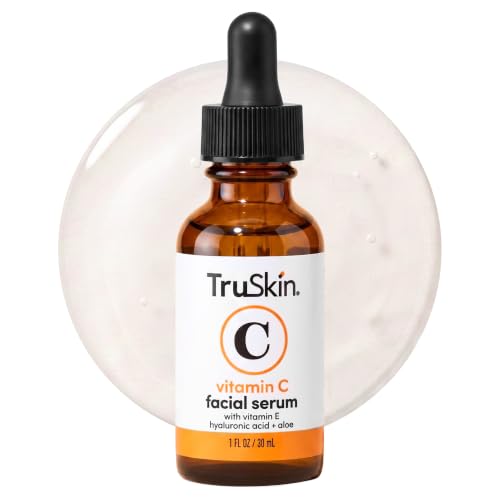 TruSkin Naturals TruSkin Brightening Vitamin C Serum for Face with Hyaluronic Acid, 1 fl oz |
ADVANCED BRIGHTENING FORMULA: Vitamin C helps fight free radical damage and support natural col | $19.99 |
#13 in Serums |
In Stock |
 Neutrogena Neutrogena Rapid Tone Repair Retinol + Vitamin C Correcting Cream, 1.7 oz |
1.7 oz jar of Neutrogena Rapid Tone Repair Retinol + Vitamin C Correcting Cream combines retino | $24.97 |
#267 in Serums |
In Stock |
 Paula's Choice Paula's Choice CLINICAL Discoloration Repair Face Serum, 1 Fl Oz |
VISIBLY FADE DARK SPOTS: Take on stubborn brown & gray patches & post-acne discoloration with c | $59.00 |
#751 in Serums |
In Stock |
 Admire My Skin Admire My Skin Dark Spot Corrector Remover for Face Brightening Serum 1oz |
1% Synovea HR | $17.99 |
#513 in Serums |
In Stock |
 Eva Naturals Eva Naturals Vitamin C Serum for Face with Retinol & Niacinamide, 1 oz |
STABILIZED VITAMIN C FORMULA — 1 oz of Sodium Ascorbyl Phosphate paired with retinol, niacinami | $16.99 |
#135 in Serums |
In Stock |
 VALITIC VALITIC Kojic Acid Dark Spot Remover Soap Bars, Turmeric Bar Soaps 2 Pack |
Dark Spot Corrector Soap for Men and Women: Original Japanese Complex for Dark Spots Correction | $15.49 |
#2 in Soaps |
In Stock |
How to choose a dark spot corrector
Match the active to the type of pigmentation
Sun spots and age spots respond to vitamin C, retinol and exfoliating acids. The flat brown patches left by acne respond to azelaic acid and niacinamide. Melasma is hormone-driven and stubborn: the strongest published evidence in this guide is for tranexamic acid, which incidecoder lists head-to-head against 3% hydroquinone cream in a randomised melasma trial. Pick the mechanism before you pick the brand.
Pure vitamin C versus a derivative — read the label
This is the single most useful distinction on any listing. Thousands of serums advertise “vitamin C” while delivering sodium ascorbyl phosphate, a stabilised derivative. That is not a scam — it is far less likely to oxidise — but it is a different proposition, and the absorption question is real (we cover it in the spec-claim check below). If you want pure ascorbic acid at the concentration dermatologists discuss, look for a listing that names it, like the CeraVe serum in this guide.
Hydroquinone is not an over-the-counter ingredient
Several dark spot products on Amazon use the word “hydroquinone” in the title or in customer-facing copy. The FDA’s position is unambiguous: skin lightening products containing hydroquinone or mercury are not approved for over-the-counter sale, and no OTC skin lightening product is legally marketed in the US. Hydroquinone belongs in a clinician-supervised plan. The picks below work with the ingredients that are legitimately available over the counter.
Sunscreen is the actual treatment
Every source we checked ends in the same place. Without daily sun protection, UV keeps reactivating the melanocytes you are trying to calm. Buy the sunscreen before you buy the serum.
What the listings actually contain
Marketing copy and the ingredient panel do not always agree, so we read the panels. This table comes from the live listings on 2026-09-22 — the same data behind every card and price in this guide.
| Product | Form | Actives as listed | Price checked 2026-09-22 | Rating (where published) |
|---|---|---|---|---|
| CeraVe Skin Brightening | Serum, 1 oz | 10% pure vitamin C; 3 ceramides; hyaluronic acid | $21.12 | 4.5 / 44,108 |
| TruSkin Brightening | Serum, 1 fl oz | Sodium ascorbyl phosphate (vitamin C derivative); HA; vitamin E; aloe; jojoba | $19.99 | not disclosed on listing |
| Neutrogena Rapid Tone Repair | Cream, 1.7 oz | Retinol; vitamin C; hyaluronic acid; glycerin | $24.97 | not disclosed on listing |
| Paula’s Choice CLINICAL Discoloration Repair | Serum, 1 fl oz | Tranexamic acid (percentage not stated); fragrance-free | $59.00 | 4.2 / 1,310 |
| Admire My Skin Dark Spot Corrector | Serum, 1 oz | 1% Synovea HR (hexylresorcinol); kojic; azelaic; lactic; salicylic | $17.99 | not disclosed on listing |
| Eva Naturals Vitamin C | Serum, 1 oz | Sodium ascorbyl phosphate; retinol; niacinamide; salicylic; MSM; squalane | $16.99 | not disclosed on listing |
| VALITIC Kojic Acid Soap | Bar soap, 2-pack | Kojic acid; turmeric; vitamin C; retinol; collagen; shea; hyaluronic acid | $15.49 | not disclosed on listing |
Two things stand out. First, only one product in this guide states a vitamin C concentration; the rest leave you to infer it. Second, ratings are published on the listing pages but the API does not always return them, so we only print the pool where we could read it directly — 4.5 stars across 44,108 ratings for CeraVe and 4.2 across 1,310 for Paula’s Choice.
Where paying more stops buying performance
Here is where the money actually goes in this category, based on the seven listings above.
- Under $20 — one pathway, one format. A kojic-acid bar or a single stabilised vitamin C derivative. You are buying a starting point, and that is often enough for light unevenness.
- $20–35 — formulation. This is where you get pure vitamin C at a stated 10%, ceramides and hyaluronic acid to carry it, or retinol blended into a cream you can actually use nightly.
- $35–60 — a second pathway. Tranexamic acid for melasma, or hexylresorcinol with licorice root. The mechanism list gets longer, and the evidence for the target problem gets better.
- Above $60 — you are buying brand and packaging, not a new mechanism. The clearest example: a dermatologist-reviewed guide we cite below names a $130 hexylresorcinol-and-licorice gel as its hormone-related pick. Our $17.99 pick leads with the same hexylresorcinol mechanism. The $130 product is a legitimate formula — it also adds tranexamic acid and licorice — but the headliner active is not exclusive to it.
Our stopping point: around $60. Once you pass the tranexamic-acid band, extra spend stops buying you a different way to fade pigment and starts buying you a nicer experience.
Where we disagree with other reviews
Most Amazon roundups for this category lead with TruSkin, because it has the biggest review pool. We moved it to number two. The reason is in the listing: the formula is built on sodium ascorbyl phosphate, a derivative, while a Dermstore guide reviewed by board-certified dermatologist Dr. Ashley Magovern tells readers to look for vitamin C “with a concentration of 10 to 20 percent”. At $21.12 the CeraVe serum delivers a stated 10% pure vitamin C with ceramides, so it now takes the top spot — despite having a smaller review pool. We would rather rank on the active than on the review count.
The second disagreement is about price. Dermstore’s pick for hormone-related pigmentation is the PCA SKIN Pigment Gel Pro at $130, whose key ingredients include hexylresorcinol and licorice root. Hexylresorcinol is also the headliner in our $17.99 pick — at 1% Synovea HR. We are not claiming the two are equivalent: the $130 gel adds tranexamic acid and a licorice extract, and it is a nicer formula. But if budget is the constraint, the cheaper product is a defensible way to buy the same active class, and we would rather say that than pretend the premium option is the only one that works.
Why dark spot correctors fail
Most “this product did nothing” endings trace back to one of these five causes, none of which is the bottle.
- No sunscreen. Dermstore’s guidance is explicit about pairing brightening serums with daily sun protection and an exfoliant. Skip it and you are fighting the sun with a 1 oz bottle.
- Oxidised vitamin C. Pure ascorbic acid degrades with air and light. incidecoder describes that instability as “a big challenge for the cosmetics industry” and notes that turning brown means losing potency.
- Optimising for a derivative without knowing it. incidecoder is blunt about the trade-off: ascorbyl phosphate salts are “at very best, poorly absorbed in comparison with AA”. Stable does not mean equivalent.
- Layering too many actives. A cream plus a serum plus an acid on the same night irritates the barrier, and an irritated barrier looks like new discoloration. Dermstore’s reviewer makes the same tolerability point when comparing niacinamide with glycolic acid.
- Buying an unregulated “lightening” product. The FDA’s Skin Facts! initiative exists because laboratory testing since 2019 has found skin lightening products containing mercury, and because OTC hydroquinone is not approved at all.
Spec claims, checked
Claim: a 20% vitamin C formula is automatically better. Dermstore’s dermatologist reviewer puts the useful range at 10–20%, and the form matters more than the number. TruSkin’s current listing does not state a percentage at all — it describes sodium ascorbyl phosphate. CeraVe states 10% pure vitamin C. If a listing cannot tell you the form or the concentration, that is your answer.
Claim: this is a 2% hydroquinone corrector. The earlier version of this guide described the Admire My Skin serum that way. Its current listing contains no hydroquinone — the actives are 1% Synovea HR (hexylresorcinol), kojic acid, azelaic acid, lactic acid and salicylic acid. We have corrected the review. The FDA position is the reason this matters: hydroquinone skin lightening products are not approved for over-the-counter sale, no OTC skin lightening product is legally marketed, and the prescription route is a conversation with a clinician.
Claim: visibly smoother fine lines in one week. That is the Neutrogena listing’s own wording. We have not measured it, and we do not repeat manufacturer claims as findings. Retinol’s typical timeline is measured in weeks to months.
The 7 picks in detail
1. CeraVe Skin Brightening Vitamin C Serum
Best overall.
What We Like
- 10% pure vitamin C, inside the 10–20% window dermatologists point to
- Three essential ceramides plus hyaluronic acid, so it hydrates while it brightens
- Fragrance-free and non-comedogenic — the easiest of these to tolerate daily
- 44,108 ratings at 4.5 stars, the deepest track record in this guide
Flaws but not dealbreakers
- The tube lets air in, and pure vitamin C oxidises once you open it
- 10% is below the 15–20% some rivals advertise, so fading is gradual not dramatic
Who should not buy this: Skip it if you want one product to treat melasma — that needs a prescription conversation, not a serum.
2. TruSkin Brightening Vitamin C Serum
Best value.
What We Like
- Sodium ascorbyl phosphate (a vitamin C derivative) resists oxidising far better than pure ascorbic acid
- Hyaluronic acid, vitamin E, aloe and jojoba keep it comfortable for a brightening serum
- $19.99 for 1 fl oz — near the bottom of this guide on price per ounce
- #13 best seller in Amazon’s Serums category
Flaws but not dealbreakers
- It is a derivative, not pure ascorbic acid — the absorption evidence is weaker (see the spec-claim check)
- The listing no longer states a percentage, so you cannot compare it on concentration alone
Who should not buy this: Skip it if you specifically want the pure-ascorbic-acid evidence base — the CeraVe pick is the better fit.
3. Neutrogena Rapid Tone Repair Retinol + Vitamin C Correcting Cream
Best for stubborn spots.
What We Like
- Retinol plus vitamin C plus hyaluronic acid in one cream, so you are not layering three products
- 1.7 oz jar is roughly double the volume of the serums here for $24.97
- Lightweight for a retinol cream and fragrance-free
Flaws but not dealbreakers
- Retinol means daily sunscreen is mandatory, and it needs a slow ramp-up
- The listing’s “visibly smooth fine lines in 1 week” is a manufacturer claim, not a measurement we made
Who should not buy this: Skip it if you are pregnant or nursing, or if your skin already reacts to retinoids.
4. Paula’s Choice CLINICAL Discoloration Repair Face Serum
Best for melasma and post-acne marks.
What We Like
- Tranexamic acid is the one brightener in this guide with a head-to-head randomised trial against 3% hydroquinone cream in melasma
- Fragrance-free and formulated for stubborn, deep-set discoloration rather than general dullness
- 4.2 stars across 1,310 ratings — a real track record at the premium end
Flaws but not dealbreakers
- $59.00 for 1 fl oz is the top of the over-the-counter band in this guide
- The listing never states the tranexamic-acid percentage, so you are buying the formula on trust
Who should not buy this: Skip it if this is your first brightening product, or if you want a stated active concentration.
5. Admire My Skin Dark Spot Corrector
Best budget spot treatment.
What We Like
- 1% Synovea HR (hexylresorcinol) heads a five-acid blend: kojic, azelaic, lactic and salicylic
- Targets pigmentation through several pathways at once for $17.99
- No hydroquinone — which, as the FDA section below explains, is the only version you can legally buy over the counter
Flaws but not dealbreakers
- Five actives in one serum is a lot for reactive skin; patch-test before you use it on your whole face
- Kojic, azelaic, lactic and salicylic percentages are not disclosed on the listing
Who should not buy this: Skip it if you already use a prescription retinoid or your barrier is compromised.
6. Eva Naturals Vitamin C Serum

Best all-in-one for acne-prone skin.
What We Like
- Sodium ascorbyl phosphate with retinol, niacinamide, salicylic acid, MSM and squalane
- 1 oz bottle for $16.99, vegan and cruelty-free
- The salicylic-and-niacinamide pairing suits skin that breaks out as well as discolours
Flaws but not dealbreakers
- Six actives in one bottle raises the odds of irritation you cannot attribute to a single ingredient
- Sodium ascorbyl phosphate again — stable, but a derivative rather than pure ascorbic acid
Who should not buy this: Skip it if you prefer to introduce one active at a time and read your skin’s response.
7. VALITIC Kojic Acid Dark Spot Remover Soap Bars, Turmeric 2-Pack
Best for body.
What We Like
- Bar format reaches back, arms, knees and elbows where serums are impractical
- Kojic acid with turmeric, vitamin C, retinol, collagen, shea butter and hyaluronic acid
- #2 best seller in Amazon’s Soaps category, two bars for $15.49, SLS- and paraben-free
Flaws but not dealbreakers
- Soap dries skin out — moisturise afterwards or the dryness can look like dullness
- It contains fragrance and botanical oils; the listing itself says to patch-test first
Who should not buy this: Skip it if you have eczema or very dry body skin, where a moisturising lotion beats a bar.
Frequently asked questions
How long does it take for a dark spot corrector to work?
Expect a slow curve, not a switch. Brightening serums are usually judged over 8–12 weeks of consistent daily use, and retinol-based creams take at least that long. A dermatologist-reviewed Dermstore guide puts vitamin C at 10–20% concentration for visible brightening; anything you read that promises a week is advertising, not testing.
Do dark spot correctors need sunscreen to work?
Yes. Every expert source we checked pairs brighteners with daily sun protection — Dermstore’s guidance is to use the serum alongside sunscreen and an exfoliant. Without it, UV exposure keeps switching melanin production back on and you are refilling the bucket you are trying to empty.
Is hydroquinone allowed in over-the-counter products in the US?
No. The FDA states plainly that skin lightening products containing hydroquinone or mercury “are not FDA approved for over-the-counter sale”, and that “there are no FDA-approved or legally marketed OTC skin lightening products”. Hydroquinone is a prescription conversation with a clinician, not an Amazon order.
Can I use a vitamin C serum and a retinol cream together?
You can, but split them: vitamin C in the morning under sunscreen, retinol at night. Stacking both at once is the most common way people irritate their skin and then blame the product.
Does vitamin C serum expire?
Pure L-ascorbic acid oxidises — it goes from clear to yellow to brown and loses potency as it does. That instability is exactly why so many mass-market serums use stabilised derivatives such as sodium ascorbyl phosphate instead. Store bottles cool and dark, and replace them if the colour turns.
Will a dark spot corrector lighten my natural skin tone?
No. These products act on excess melanin in hyperpigmented patches. Used as directed on spots, they do not bleach unaffected skin. The FDA warning about skin lightening products is aimed at products that break that rule with unapproved drugs such as hydroquinone or with mercury.
How we researched this guide
This is a research-based buying guide, not a laboratory test. We read the live Amazon listing for every product in it — price, discount, availability, best-seller rank and the ingredient bullets — and we compared the claims against published guidance from the FDA, the NIH’s MedlinePlus, an ingredient-analysis database and a dermatologist-reviewed product guide. We did not run our own clinical trial, we did not measure melanin, and we do not have a lab. Where a claim is the manufacturer’s own wording, we say so.
If you want the full version of how we work, including what we explicitly do not claim, read how we test and choose products. Found something wrong? Tell us and we will correct it.
Sourcing transparency: every source in this guide is named and linked. Two are institutional (the FDA and the NIH’s MedlinePlus), one is an independent ingredient-analysis database, and one is an editorial guide with a named dermatologist reviewer. We quote them where we cite them and we do not attribute anything to them that they did not publish.
Sources and further reading
- FDA — Skin Facts! What You Need to Know About Skin Lightening Products (hydroquinone and mercury products are not approved for OTC sale)
- FDA — Warns Consumers of Skin Products Containing Mercury and/or Hydroquinone (no FDA-approved or legally marketed OTC skin lightening products)
- MedlinePlus (NIH) — Skin Pigmentation Disorders (how melanin production drives hyper- and hypo-pigmentation)
- incidecoder — Sodium Ascorbyl Phosphate (stability versus absorption trade-off for vitamin C derivatives)
- incidecoder — Tranexamic Acid (cites the randomised 5% tranexamic acid versus 3% hydroquinone melasma trial)
- Dermstore — 15 Best Products for Hyperpigmentation (Dr. Ashley Magovern, board-certified dermatologist, on vitamin C at 10–20%)