
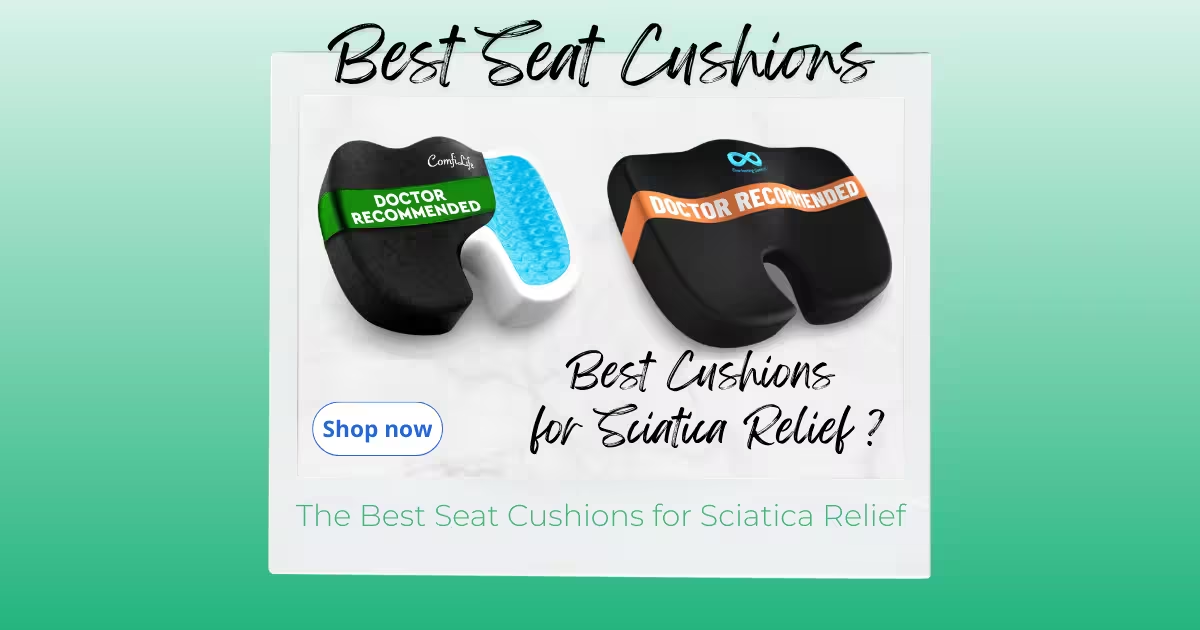
Understanding Sciatica: Symptoms and Causes
Sciatica is a term commonly used to describe pain that radiates along the path of the sciatic nerve, which branches from the lower back through the hips and buttocks and down each leg. It typically affects only one side of the body and can be characterized by various symptoms, including shooting pain, tingling, numbness, or weakness in the leg. The discomfort may start in the lower back or buttock and extend to the thigh and calf, often intensifying during activities such as sitting or standing for prolonged periods.
Understanding the symptoms of sciatica is crucial to addressing this condition effectively. In many cases, individuals may experience a sharp, debilitating pain that can interfere with daily routines. Numbness and tingling may occur in specific areas of the leg, indicating irritation of the sciatic nerve. Additionally, some people may feel muscle weakness in the affected leg, which can complicate movement and physical activity.
Several common causes contribute to sciatica, with herniated discs being one of the most frequently identified issues. When a disc in the spine bulges or ruptures, it can put pressure on surrounding nerves, leading to inflammation and pain. Another significant contributor to sciatica is spinal stenosis, a narrowing of the spinal canal that can compress the nerve roots. Muscle spasms in the buttocks or lower back can also trigger sciatic symptoms, causing discomfort that might radiate down the leg. Understanding these underlying causes is essential in establishing effective treatment strategies and underscores the importance of finding proper seating solutions for sciatica relief.
The Importance of Seat Cushions for Sciatica Relief
Sitting for prolonged periods can place significant pressure on the spine and the surrounding nerves, particularly for those suffering from sciatica. The condition occurs when the sciatic nerve, which runs from the lower back down through the legs, becomes irritated or compressed. This often leads to discomfort, pain, and reduced mobility. One of the contributing factors to the exacerbation of sciatica symptoms is poor seating posture. When seated, the natural curvature of the spine can be compromised, leading to uneven weight distribution and increased pressure points. This situation can ultimately aggravate existing nerve pain.
Seat cushions are designed to address these discomforts by providing strategic support that redistributes body weight evenly across the seating surface. This redistribution alleviates pressure on sensitive areas such as the tailbone and lower back, which can be particularly beneficial for individuals with sciatica. Many cushions are crafted from materials like memory foam or gel, which conform to the body’s shape and offer additional comfort, thereby reducing the risk of further irritation to the sciatic nerve.
Moreover, the presence of a seat cushion promotes better posture. Maintaining an upright position while sitting is crucial, as it helps align the spine properly and reduces undue strain. A well-designed seat cushion encourages individuals to maintain a more ergonomic posture, thus limiting the likelihood of slumping or slouching that can exacerbate sciatica symptoms. By investing in a quality seat cushion, those affected by sciatica can experience notable relief, facilitate better posture, and enjoy increased comfort during long hours of sitting.
Types of Seat Cushions for Sciatica
When seeking relief from sciatica, selecting the right seat cushion is essential for ensuring comfort and support. Various types of seat cushions are available, each designed to cater to specific needs and preferences.
Memory Foam Cushions are widely popular due to their ability to conform to the body’s shape. This material evenly distributes weight, reduces pressure points, and can alleviate discomfort associated with prolonged sitting. Ideal for individuals with varying body types, memory foam cushions provide personalized support, adapting to natural curves.
Gel Cushions utilize a gel layer that offers excellent pressure relief while remaining cool to the touch. This type of cushion is especially beneficial for those prone to overheating, as it allows for better air circulation. The dual-layer design often found in gel cushions can give users comfort alongside spinal alignment, making them suitable for anyone suffering from not only sciatica but also lower back issues.
Inflatable Cushions provide a unique advantage due to their adjustable firmness. Users can customize the level of air in the cushion to suit their comfort needs, thereby providing both support and relief from sciatic pain. These cushions are particularly advantageous for travel, as they can be deflated for easy transport while maintaining comfort during extended periods of sitting.
Wedge Cushions are tailored to promote proper pelvic alignment and reduce pressure on the spine. By elevating the pelvis, wedge cushions can help alleviate discomfort associated with sciatica. They are especially beneficial for those who may have a tendency to slouch or who require additional lumbar support.
Each type of seat cushion offers distinct advantages, making it crucial for individuals to assess their specific needs and preferences when choosing the best option for sciatica relief.
Key Features to Look for in a Seat Cushion
Choosing the right seat cushion for sciatica relief is crucial for enhancing comfort and alleviating pain. When selecting a cushion, several essential features should guide your decision-making process.
Firmness is one of the vital attributes to consider. A seat cushion that is too soft may not provide adequate support for the lower back and thighs, while one that is overly firm can lead to discomfort. The ideal cushion strikes a balance between comfort and support, effectively distributing weight and reducing pressure on the sciatic nerve.
Another important factor is the material of the cushion. Memory foam is highly recommended due to its ability to mold to the body’s contours, providing customized support and relieving pressure points. Additionally, cushions made of gel or latex can offer enhanced breathability and durability, which are also important for long hours of sitting.
The shape of the seat cushion can significantly affect its effectiveness in relieving pain. Look for contoured designs that promote spinal alignment and enhance hip positioning. U-shaped or wedge cushions specifically target the areas affected by sciatica, making them a popular choice among users.
Consider the size of the cushion as well; it should appropriately fit your chair or car seat for maximum effectiveness. A cushion that is too large or too small may not provide the desired relief.
Portability is another advantageous feature, especially for those who travel frequently. Opt for lightweight cushions with a handle, allowing for easy transport without sacrificing comfort. Lastly, heat retention properties are worthy of attention. Some materials can retain heat, leading to discomfort; therefore, selecting cushions with cooling technologies can enhance your experience, particularly during long durations of use.
Top Seat Cushions for Sciatica: Reviews and Comparisons
Sciatica is a painful condition that can significantly affect daily activities, making the choice of seating crucial for comfort and relief. Below, we evaluate several top seat cushions specifically designed to alleviate sciatica pain, helping users make an informed decision.
1. Everlasting Comfort Memory Foam Seat Cushion
This cushion is made from high-quality memory foam that molds to the shape of your body, providing excellent support and comfort. It features a non-slip bottom to ensure stability during use.
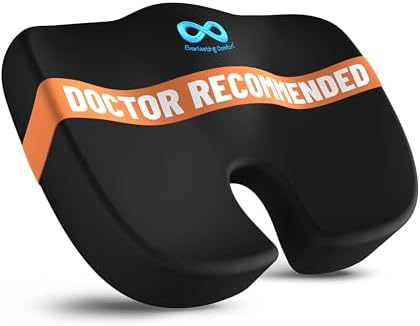
- Multi-use Seat Cushions & Low Profile Design: Our Foam Seat Cushion Fits Common Office Chairs, Desks, Car Seats, Airplan…
- DOCTOR RECOMMENDED SUPPORT & COMFORT: Watch our video endorsement to hear why experts recommend this product; Our memory…
- SOFT & BREATHABLE COVER: Our car seat cushion for long driving features a machine-washable, breathable cover that is eas…
- Pros: Ergonomic design, heat-responsive foam, machine washable cover.
- Cons: May retain heat for some users.
- Price range: $30 – $50
- User feedback: Most users report significant pain relief and improved posture.
2. ComfiLife Gel Enhanced Seat Cushion
This cushion combines memory foam with a cooling gel layer, offering a unique cooling effect that enhances comfort. Its versatile design makes it suitable for office chairs, car seats, and wheelchairs.

- Most Comfortable Gel Memory Foam Cushion On The Market – ComfiLife’s all-in-one features are unrivaled: Non-slip bottom …
- Ergonomic U-Shaped Design Supports Tailbone and Posture: Recommended by doctors and orthopedic specialists, the ergonomi…
- Great for Any Chair – Versatile use in Office, Car, Travel, Gaming, Wheelchair: Whether you need a car seat cushion, sea…
- Pros: Cooling gel technology, lightweight design, portable.
- Cons: Some users find it less durable over time.
- Price range: $25 – $35
- User feedback: Users appreciate the cooling sensation and overall comfort.
3. Kieba Coccyx Cushion
Designed specifically for coccyx and sciatic pain relief, this cushion features a U-shaped cutout that relieves pressure on the tailbone while providing adequate support.

- MAXIMUM RELIEF AND COMFORT: Ultra premium memory foam layered with soothing gel technology provides ultimate support and…
- DURABLE: 100% Premium therapeutic grade memory foam combined with gel. Will not flatten out with prolonged use. Non-slip…
- ERGONOMIC: Promotes good posture, spine alignment, and healthy weight distribution for hours of comfortable sitting.
- Pros: U-shaped design, portable, fits various seating arrangements.
- Cons: Firmness may not suit everyone.
- Price range: $20 – $30
- User feedback: Many report effective pain relief, particularly for tailbone issues.
4. Far Infrared Heating Seat Cushion
This innovative cushion utilizes far-infrared heating technology to help reduce pain by promoting circulation. It is particularly beneficial for those with chronic sciatica symptoms.

- Pros: Heating capability, adjustable settings, comfortable fabric.
- Cons: Requires a power source, may be bulkier than other cushions.
- Price range: $50 – $300
- User feedback: Users report great comfort and effective heat therapy for pain relief.
When selecting a seat cushion for sciatica relief, consider your specific needs and preferences. Each of these cushions has been thoughtfully reviewed and compared based on performance and user satisfaction, ensuring you find the right fit for your comfort and relief.
User Experiences: Testimonials and Reviews
Many individuals suffering from sciatica have turned to seat cushions as a means of alleviating their discomfort during prolonged sitting periods. The following testimonials highlight a range of experiences with various seat cushions designed specifically for sciatica relief.
One user, Jane D., shared her experience with the ComfiLife Gel Enhanced Seat Cushion. She noted, “I spent hours sitting at my desk due to my job, and this cushion has truly transformed my work experience. The gel evenly distributes my weight and significantly reduces pressure on my lower back and hips. I can finally work comfortably without constant pain!” User Jane illustrates the effectiveness of such products for those in labor-intensive professions or sedentary roles.
Conversely, not all experiences are universally positive. Mark T. expressed dissatisfaction with a particular memory foam cushion, indicating, “While it felt comfortable at first, I found that it retained heat and became quite uncomfortable after an hour of use. It didn’t provide the relief I expected for my sciatica.” This feedback underscores the importance of considering different materials when selecting a cushion, as individual preferences can greatly affect usage.
Another user, Sarah L., found substantial relief with a donut-shaped cushion. She explained, “Before using this cushion, I dreaded long car rides due to my sciatica pain. Now, I can enjoy my travels without worrying about discomfort. It takes the pressure off my tailbone while supporting my hips nicely!” Her testimonial emphasizes the varied options available for those looking to alleviate sciatica pain regardless of their daily activities.
These experiences, both positive and critical, create a comprehensive perspective on the effectiveness of seat cushions for sciatica relief. Potential users are encouraged to assess their specific needs carefully and consider feedback when choosing the most suitable cushion.
Tips for Maximizing the Benefits of Your Seat Cushion
Utilizing a seat cushion effectively can significantly alleviate discomfort caused by sciatica. To maximize relief, adherence to proper positioning is crucial. Begin by ensuring that the cushion is strategically placed on your chair. The cushion should support your lower back while elevating your pelvis slightly. This promotes proper alignment of the spine and reduces pressure on the sciatic nerve. For optimal results, make certain that your feet can rest flat on the floor, which can further enhance your posture and comfort.
Incorporating the seat cushion into your daily routine is another important consideration. It is advisable to use the cushion in various settings—whether at home, in the office, or even while driving. For home use, consider placing it on your favorite chair or sofa during leisure activities. In the office, using it while working at your desk can provide relief over extended periods of sitting. While driving, ensure that the cushion fits securely in your car seat, as prolonged sitting during commutes can aggravate sciatica symptoms.
Furthermore, complementary lifestyle changes can enhance the efficacy of the seat cushion. Engage in regular stretching exercises that focus on the lower back and legs, as they can improve flexibility and reduce muscle tension. It is also important to incorporate frequent breaks, allowing you to stand or walk at intervals throughout your day. This helps alleviate the sustained pressure that can contribute to discomfort. Adequate hydration and maintaining a healthy weight are essential, as both factors can influence the severity of sciatica symptoms. By adopting these practices in conjunction with the use of a seat cushion, you will be better positioned to experience significant relief from sciatica pain.
Alternative Solutions for Sciatica Pain Management
While selecting an appropriate seat cushion can significantly alleviate symptoms of sciatica, exploring alternative methods for managing sciatica pain is also essential. These methods include physical therapy, specific exercises, medication, ergonomic chairs, and lifestyle adjustments. Integrating these approaches can help individuals develop a comprehensive pain management strategy.
Physical therapy is often a highly recommended option for sciatica relief. A trained physical therapist can assess the individual’s condition and help create a personalized exercise program. These exercises may include stretching, strengthening, and low-impact aerobic activities aimed at alleviating pressure on the sciatic nerve. This systematic approach enables individuals to enhance mobility and reduce pain effectively.
Targeted exercises designed to improve flexibility and strength in the back, hips, and legs can also be beneficial. Practices such as yoga or Pilates may complement traditional therapies by promoting better posture and body alignment, which are critical in preventing further episodes of sciatica pain. Individuals should consult with a healthcare provider before embarking on any new exercise regimen to ensure safety and suitability.
Medications can be another essential component of a comprehensive pain management plan. Over-the-counter analgesics, such as ibuprofen or acetaminophen, can provide temporary relief, while prescription medications may be necessary in more severe cases. However, it is advisable to consult a healthcare professional to determine the most appropriate medication and dosage.
In addition to physical treatments, ergonomic chairs designed specifically for lumbar support can play a crucial role in preventing further discomfort. Adopting proper posture while sitting can alleviate stress on the spine and reduce the likelihood of exacerbating sciatica symptoms. Lastly, lifestyle adjustments, including maintaining a healthy weight and incorporating regular physical activity, can have a profound impact on long-term sciatica management.
Final Thoughts: Choosing What’s Right for You
When selecting a seat cushion for sciatica relief, it is essential to consider various factors to ensure you choose the most suitable option for your individual needs. Throughout this discussion, we have highlighted the significance of material, shape, and support level in alleviating discomfort associated with sciatica. Memory foam cushions are particularly effective due to their ability to conform to the body’s contours, providing customized support while promoting proper spinal alignment.
Moreover, the importance of portability should not be overlooked. Many individuals with sciatica may find themselves needing relief in different environments, from office chairs to car seats. Choosing a lightweight and easily transportable cushion will facilitate comfort wherever it is needed. Additionally, look for cushions with removable and washable covers to maintain hygiene and prolong the life of the product.
It is crucial to assess your unique situation regarding sciatica, as each person’s experience may vary significantly based on the severity of the condition and daily activities. Taking the time to evaluate your preferences and requirements will greatly increase the chances of finding a solution that effectively alleviates discomfort.
Lastly, consulting with healthcare professionals can provide invaluable insights tailored to your specific situation. They can offer guidance on the most appropriate cushion options based on medical history and pain levels. Remember that finding the perfect seat cushion may involve some trial and error, but the effort can lead to significant improvements in your quality of life.
You may read these new articles on Shopping Picker: